Getting the Heat Right for Bio-Sensors
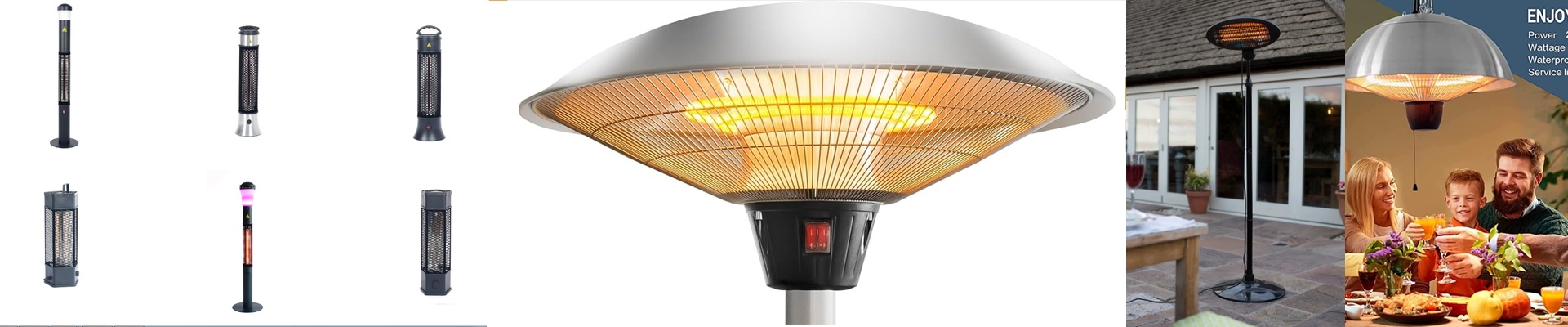
When you’re making bio-sensors, temperature is everything. You need those polymers to cure and those organic layers to stabilize, but if you overdo it, you’ll fry the whole substrate. That’s why we use infrared (IR) systems. Forget those clunky convection ovens—they take forever to warm up and cool down. IR is different. It’s direct. It’s fast. You hit a button, and the energy is right there.
How we actually build these things
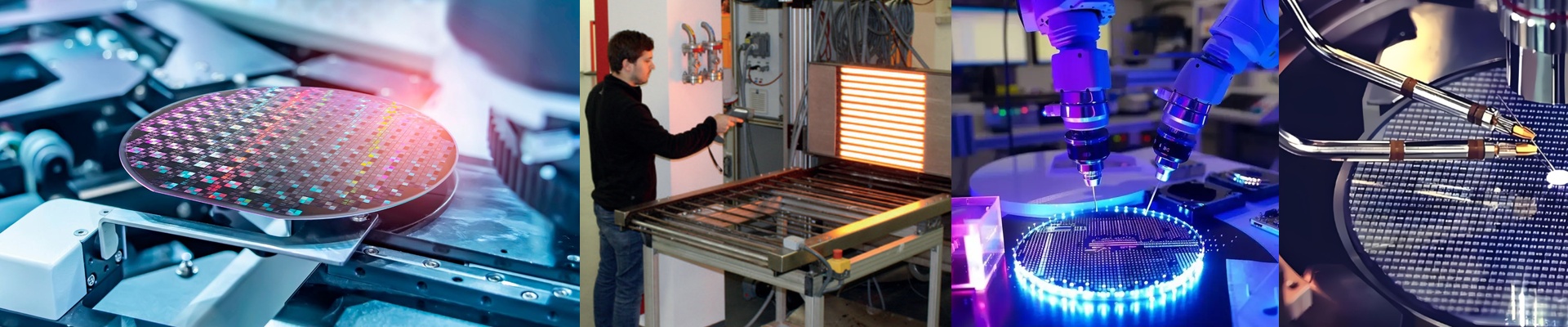
If you’re setting up a smart fab, you can’t have your heat source lagging behind your software. You need something that listens to your PLC commands instantly. We lean on high-wattage shortwave lamps for this. They pack enough punch to flash-cure a sensor in a matter of seconds. But you can’t just blast it with heat. We use quartz-halogen tech because the light spectrum actually matches the materials we’re working with. It’s the difference between a gentle tan and a bad sunburn; it keeps the surface from scorching. To keep things tight, we wire everything into a closed-loop circuit with pyrometers. It keeps the temperature within ±1°C.That’s the sweet spot.
The hardware side of things
The size of your lamp basically dictates how many sensors you can push through the line. We use specialized connectors here—mostly because they’re secure, but also because they make it easy to swap a lamp out quickly when you’re in the middle of a shift. And since everything is connected now, every lamp is basically a data point. We keep an eye on the voltage and current draw. Instead of guessing when a lamp might die or waiting for it to pop and ruin a whole batch, we can see it happening in real-time. It saves a lot of headaches.
The trade-offs (Because nothing is perfect)
Here’s the catch: high-intensity IR lamps put out a lot of radiant heat. It makes your production line fly, but it beats up your chassis. If you don’t get your cooling fans and heat sinks exactly right, the housing just soaks up all that heat. Once that happens, your calibrations start to drift, and you’re back to square one. Our trick? Gold-coated reflectors. They push the energy straight down onto the substrate and keep it away from the machine frame. It keeps the gear cool and the sensors perfect.