
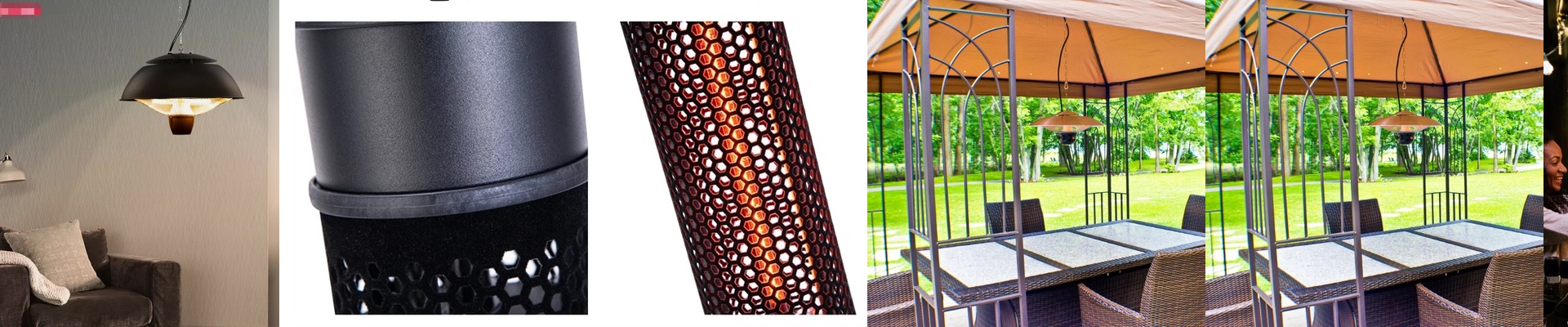


Making Your Pergola Actually Useable in Winter
Let’s be honest: most outdoor spaces are wasted for half the year because it’s just too cold to sit outside. We build infrared heaters for pergolas to fix that. The goal is simple. You want to walk outside and feel the warmth immediately. You shouldn’t have to wait for the air to heat up—which, in an open-air pergola, is basically impossible anyway. These heaters work by warming you and your furniture directly, not the wind.
The Gritty Details
If you’re putting a heater under a pergola, it has to handle the elements. Rain happens. Humidity happens. We use sealed quartz tubes and housings that won’t rust or corrode when things get damp. This keeps the electronics from frying. One thing to watch out for: these units pull a lot of power. If you’re installing several of them, check your electrical panel. You don’t want to be halfway through a dinner party only for the breakers to trip because you’re pulling too many amps.
Making it “Smart”
This is where it gets fun. Instead of walking over to a clunky dial on the wall, we wire the heaters into your smart home setup using things like Zigbee, Matter, or Wi-Fi. It basically turns your patio into a “push-button spring.” Here is how that actually looks in real life: **Warmth on demand.**You can turn the heaters on from your phone while you’re still inside finishing a drink. By the time you step out, the patio is already cozy. **Set it and forget it.**You can link the heaters to a temperature sensor. Once it hits 15°C (or whatever you prefer), the system just kicks in. No thinking required. **Targeted heat.**If you have a big space, you can group the heaters. Only warm the lounge area if that’s where everyone is hanging out.
A Few Reality Checks
Smart tech is great, but it can be flaky. If your Wi-Fi goes down or your hub decides to crash, you don’t want to be shivering in the dark. That’s why we always put in a physical override switch. Old school, but it works. Also, keep an eye on your ceiling height. Infrared heat is intense. If your pergola ceiling is too low, you risk scorching the materials or warping the wood over time. Give the heaters some breathing room.