Technical Deep-Dive: Power and Dimensions
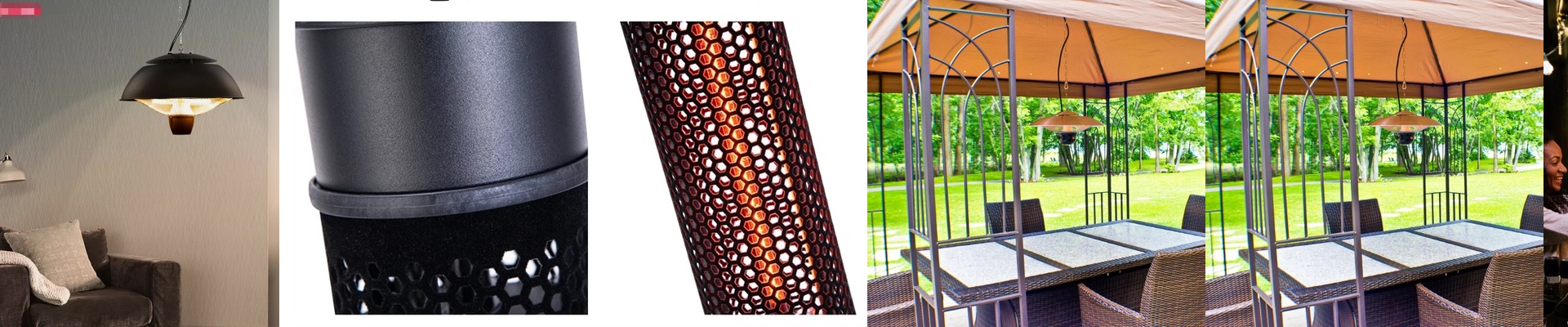
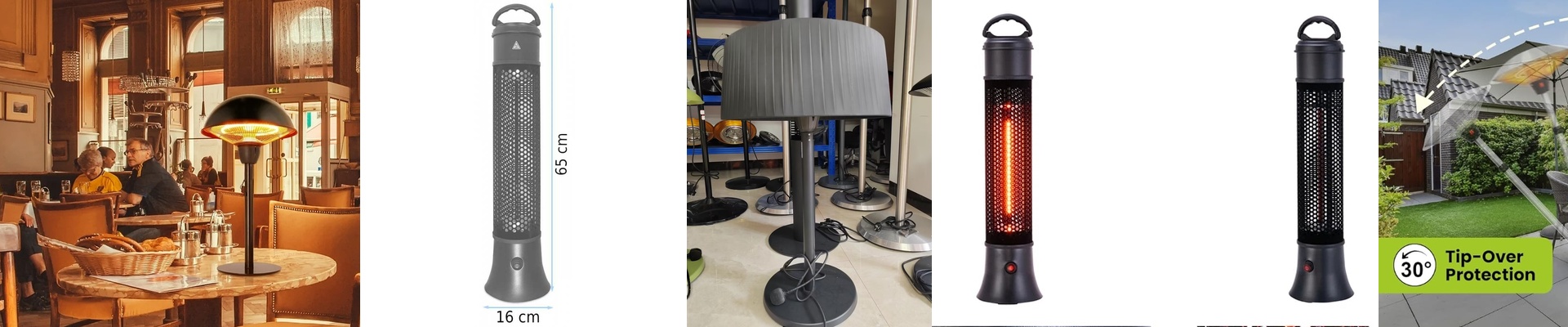
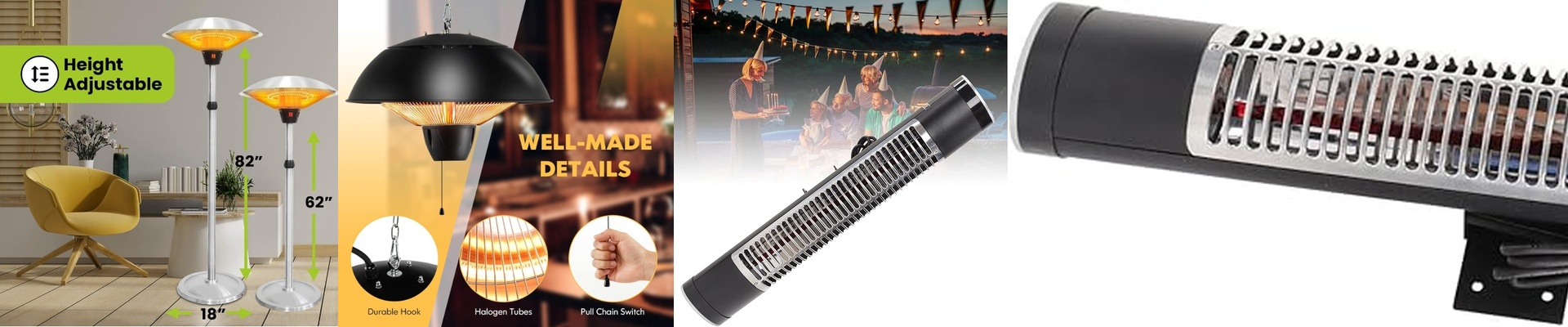
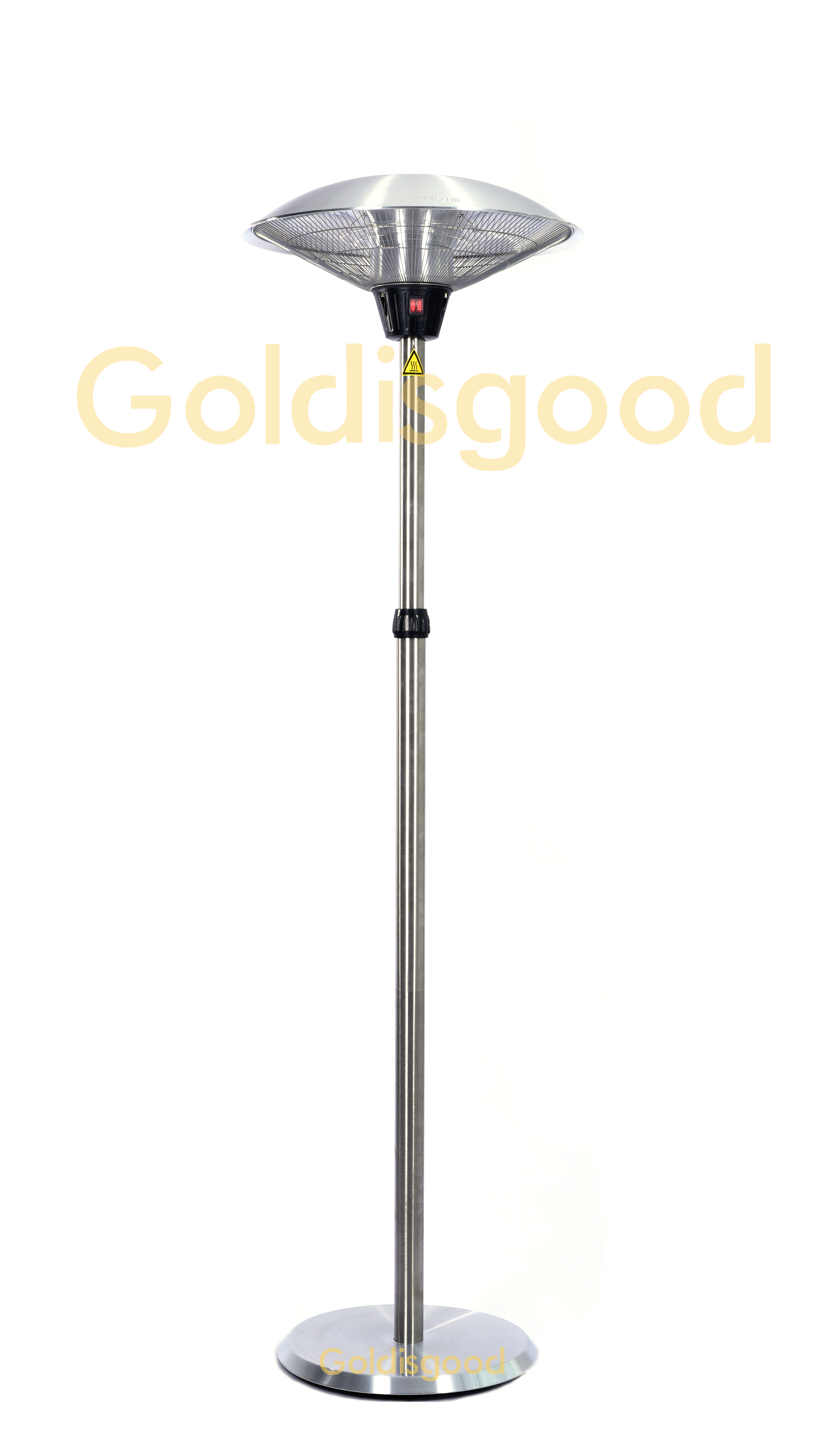
When we build these bulk patio heaters, we’re really building them around one thing: a specific thermal profile. The standard setup runs on 400V and 2500W, which packs a lot of heat into a surprisingly small space. The 300mm tube is key here. It focuses the heat, so you’re not just warming the air—you’re hitting a specific spot in a big outdoor area. But here’s the thing—that kind of power needs the right setup. You absolutely have to wire it with the correct cable gauge. A 400V circuit pulling 6.25A will fry undersized wiring, no question. And the dimensions? They’re designed to slip right into standard heater housings. So swapping one out feels almost effortless.
Material and Design
At the heart of it is a quartz halogen tube. Quartz is tough—it can take the shock of turning on and off quickly without cracking, unlike regular glass. The halogen cycle keeps the filament steady and stops the tube from blackening, so the heat stays consistent over the life of the lamp. And the R7s connector? It’s the workhorse for this shape. It gives you a solid, two-point connection that can handle the vibration and the expansion and contraction you get in a busy environment. Plus, the tube has a special coating that bounces infrared energy back toward what you’re trying to warm, instead of letting it bleed off sideways.
Application and Performance Trade-offs
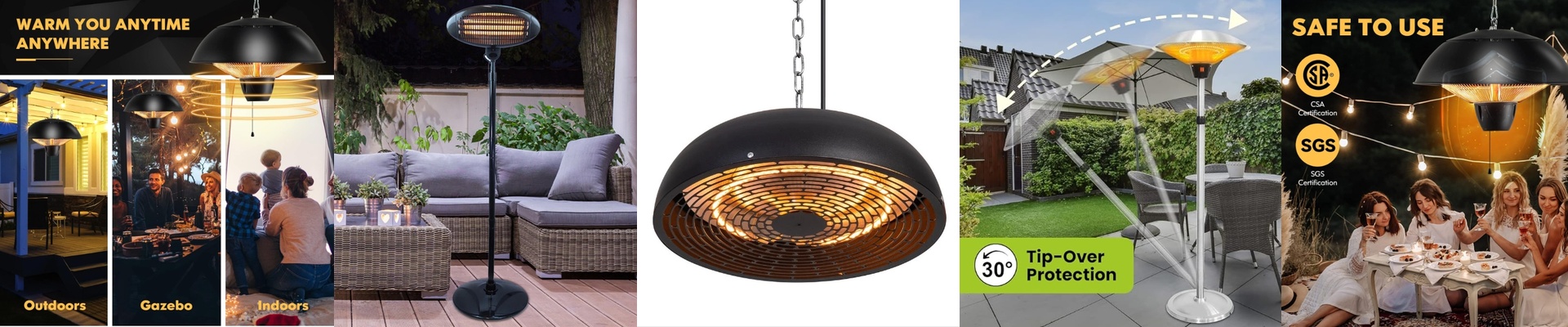
In bulk patio heaters, this design turns electricity into radiant heat fast. The infrared energy moves through the air with almost no loss, so it warms people and surfaces directly. The trade-off is heat. A 2500W element throws off a lot of ambient heat, so the heater needs good ventilation or a protective cover to keep the inside parts from getting too hot. What that means for you is this: the system is simple to install and easy to keep up, but the enclosure around it has to be up to the job of handling that heat.