

A cold office in winter isn’t just uncomfortable. It quietly eats away at focus, makes colds more likely, and pushes teams to cut corners just to keep warm. When the air is cold, people tighten up, circulation dips, and the day loses its rhythm. What you need is a heater that does more than bump the temperature—one that puts people first and delivers steady warmth.
What matters under the hood
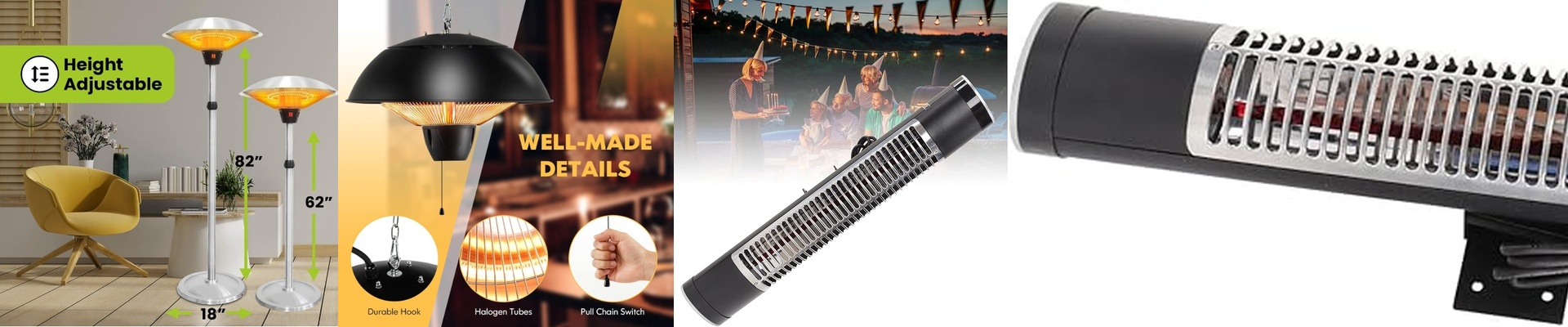
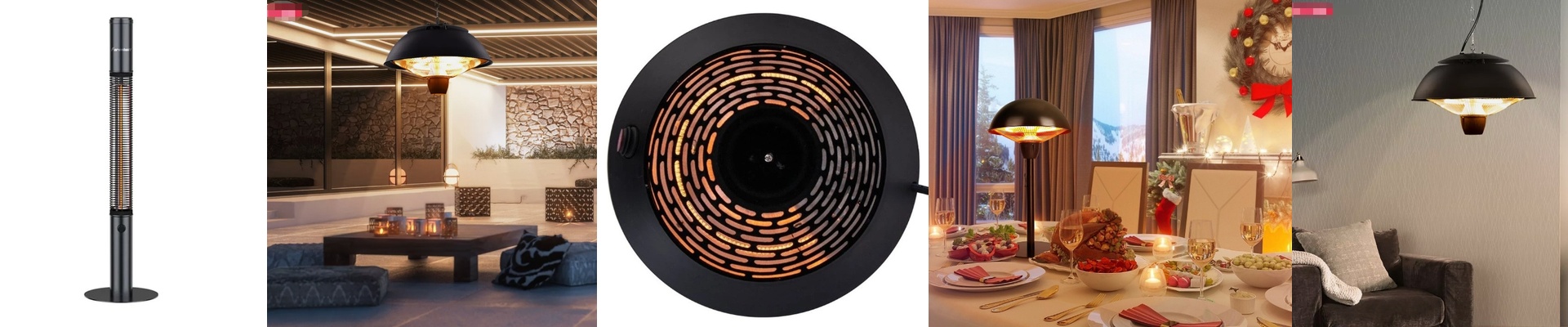
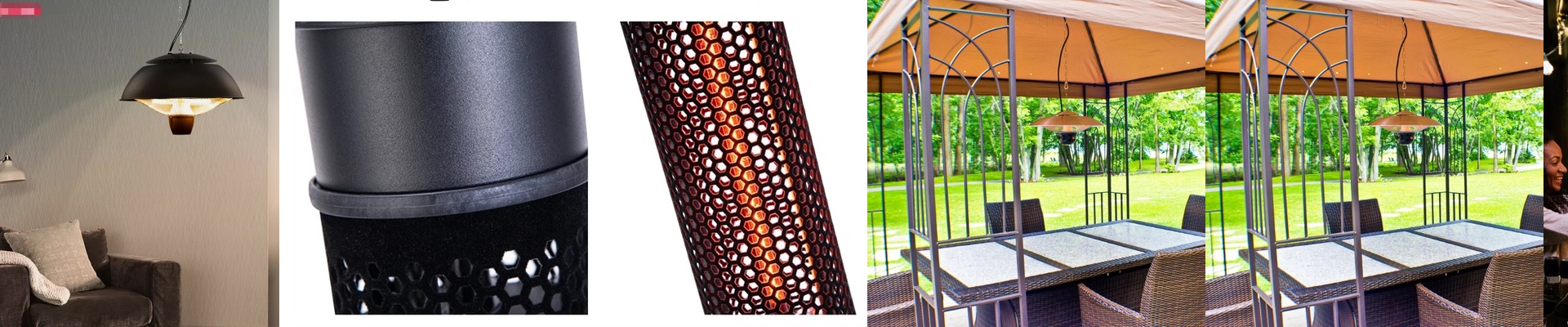
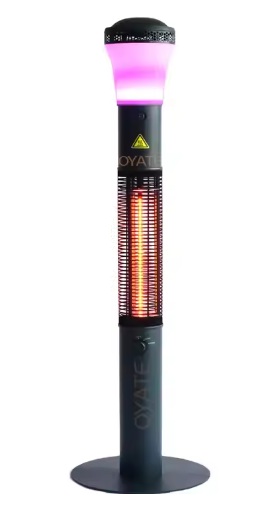
We build our custom-logo electric heaters around infrared radiant warmth. Heat goes straight to people, desks, and nearby surfaces, instead of wasting time warming air that just escapes. The payoff is immediate comfort, without the drafty rollercoaster you get from forced-air systems. Inside, a carbon fiber element comes up to temperature fast and holds output steady, backed by a straightforward thermostat that maintains the set level without endless cycling. The unit runs quiet, so conversations and concentration stay intact. For branding, the logo panel is cleanly finished and placed where it looks natural in professional settings—subtle, not in-your-face.
Why this fits the office
In a modern office, comfort and health are tied together, and so is consistent output. Infrared warmth helps people stay relaxed, which supports better posture, fewer distractions, and steadier work. Because the heat is directional, the area around workstations stays even, so folks aren’t tempted to crank the thermostat or pile on sweaters. That steady feel matters in winter: fewer cold drafts, fewer sudden chills, and a noticeable drop in the little interruptions that break focus. When people are warm at their desk, the whole day runs smoother.
The practical details
Placement matters. Infrared is most effective when the heater has a clear line of sight to the people it’s serving, so keep it clear of tall partitions or stacks of supplies. Plan on a dedicated outlet on a stable circuit, and confirm local electrical codes for the load. In most offices, these heaters work best as supplemental warmth; they warm people and immediate surroundings, not the entire building. For the best results, match the wattage to the room size and position the unit where it won’t get bumped.