


Cutting Through the Cost Hype
Let’s cut through the noise. We’re talking about infrared heating lamps, built right here, that can step in for the expensive imported gear used in semiconductor wafer oxidation. The real question on the floor is simple: can these actually do the job? Can you swap them in and just keep running? Forget the marketing fluff. The proof is in the engineering.
The Nitty-Gritty Details
Wafer oxidation is all about control. You need heat, yes, but you need precise heat. Our infrared elements are built to match the power of the imports. They run on high voltage to pack a serious punch into a small space. The shape and wattage are dialed in so the heat hits the target evenly—no hot spots, no weak spots at the edges. It’s not just about making things hot. It’s about steering the heat exactly where you need it. And the best part? The electrical specs line up with your existing machine controllers. So you don’t have to tear apart the whole cabinet and rewire everything.
What It’s Made Of
The heart of the lamp is a high-purity quartz envelope, often finished with a special reflective coating. That coating does one important job: it focuses the infrared energy straight onto the wafer. This means more power gets where it needs to go, and less wasted heat floats around to damage sensitive parts. Because it uses shortwave infrared, the response is almost instant. The lamp heats up and cools down in seconds. That gives you tighter control over the whole oxidation cycle. And the connection? It uses the standard R7s connector. It’s a tough, two-pin design that handles high current and stays secure. It’s built to handle constant heating and cooling without coming loose or sparking.
Real-World Performance
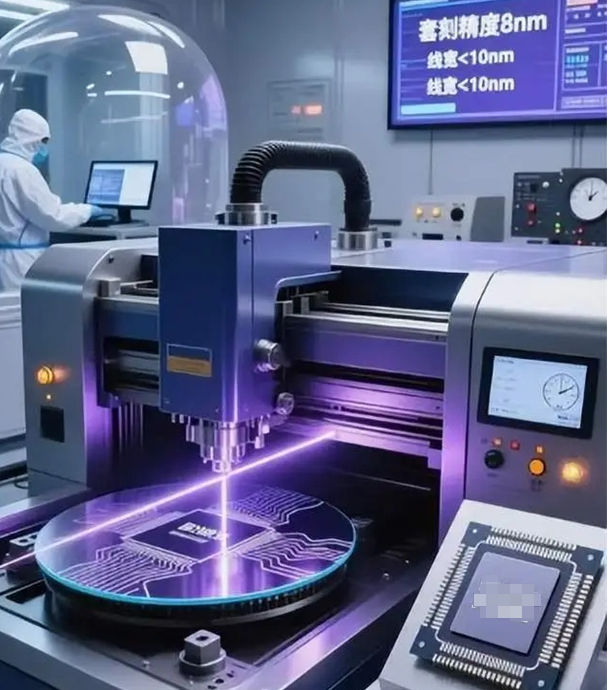
Inside the oxidation chamber, these lamps deliver that intense, focused heat the process demands. For you, that means one big win: you can replace a pricey imported part without shutting down the line to retool. Installation is clean. No cutting. No welding. Just swap the lamp in and lock it down. But here’s the catch.
The One Thing to Keep an Eye On
These lamps pack a lot of power into a small space. That means your machine’s cooling system has to be in top shape. If the cooling can’t keep up, the temperature inside the chamber climbs. And we’ve seen what that does—it shortens the lamp’s life. So, match the lamp, sure. But also double-check that your cooling can handle the load. This isn’t a gamble. It’s a practical, well-engineered solution. It fits. It works. And it keeps your line moving.