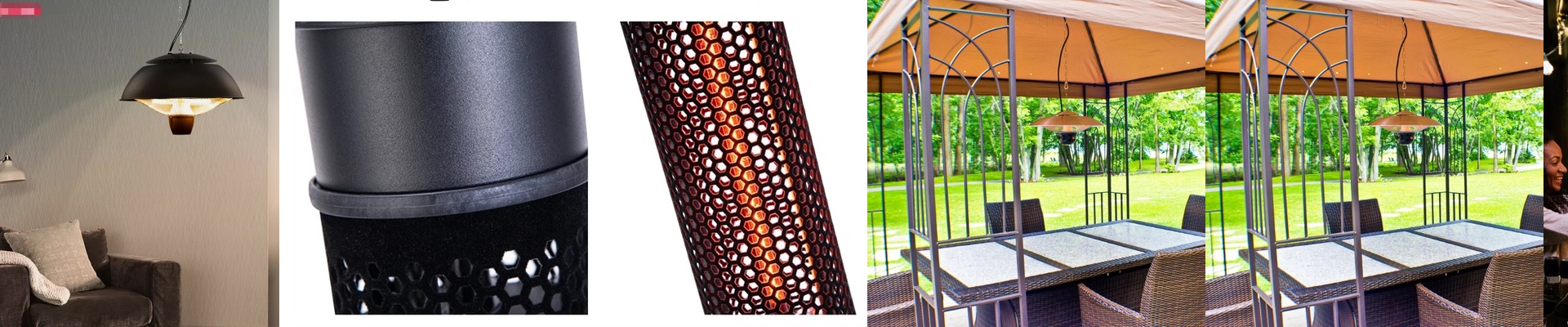

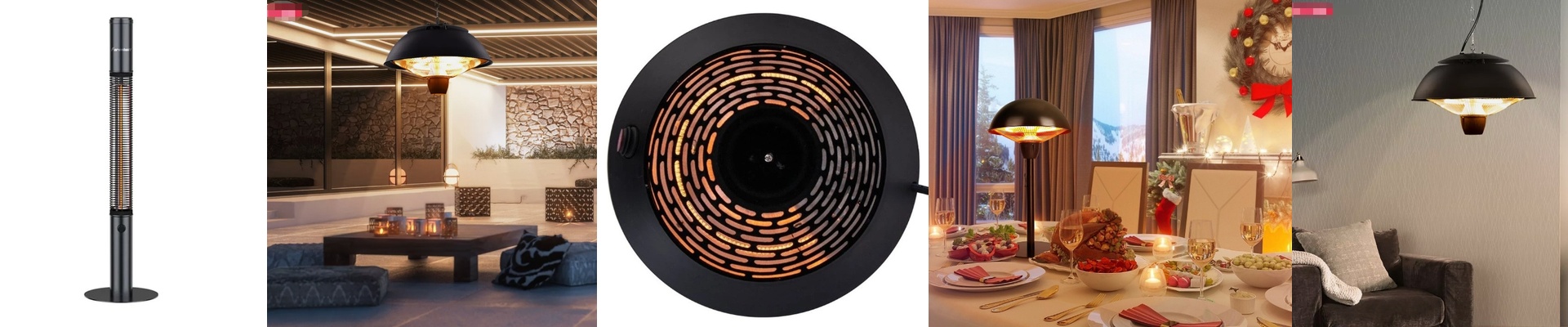
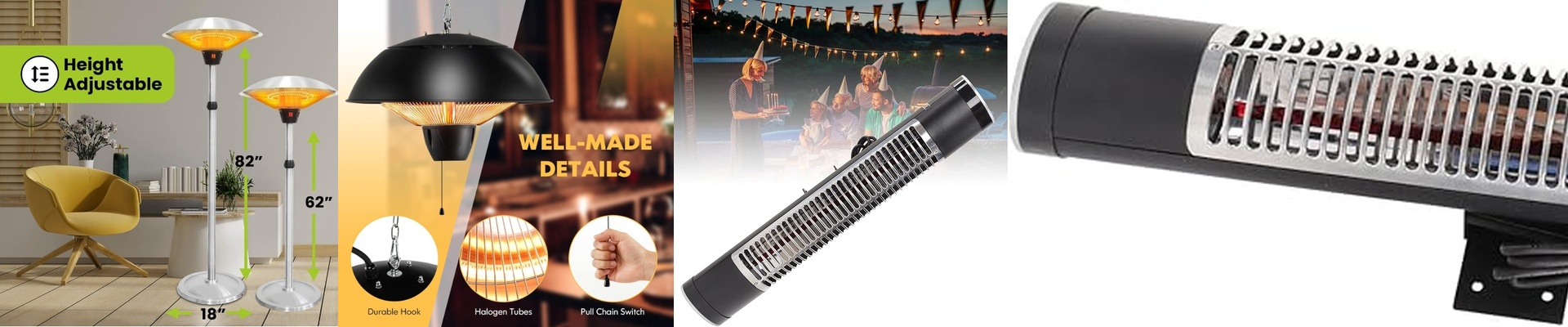
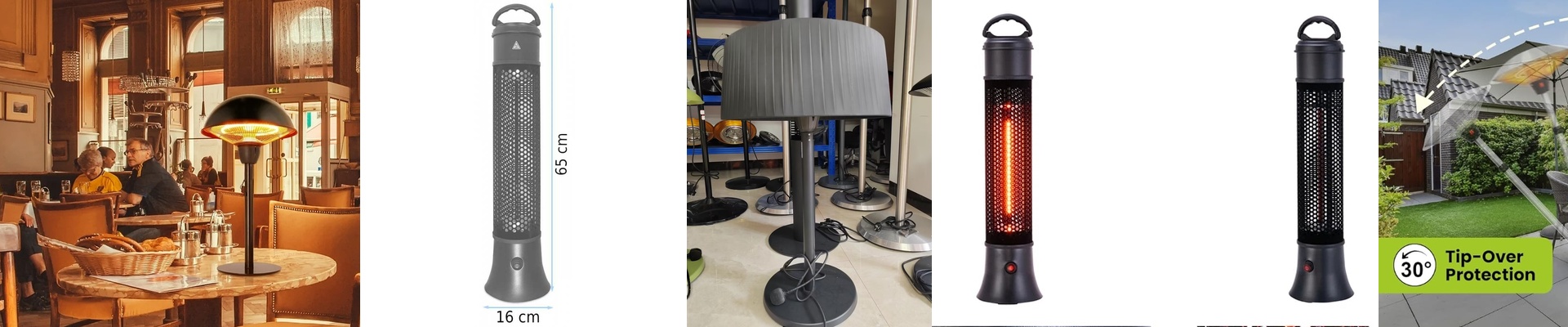
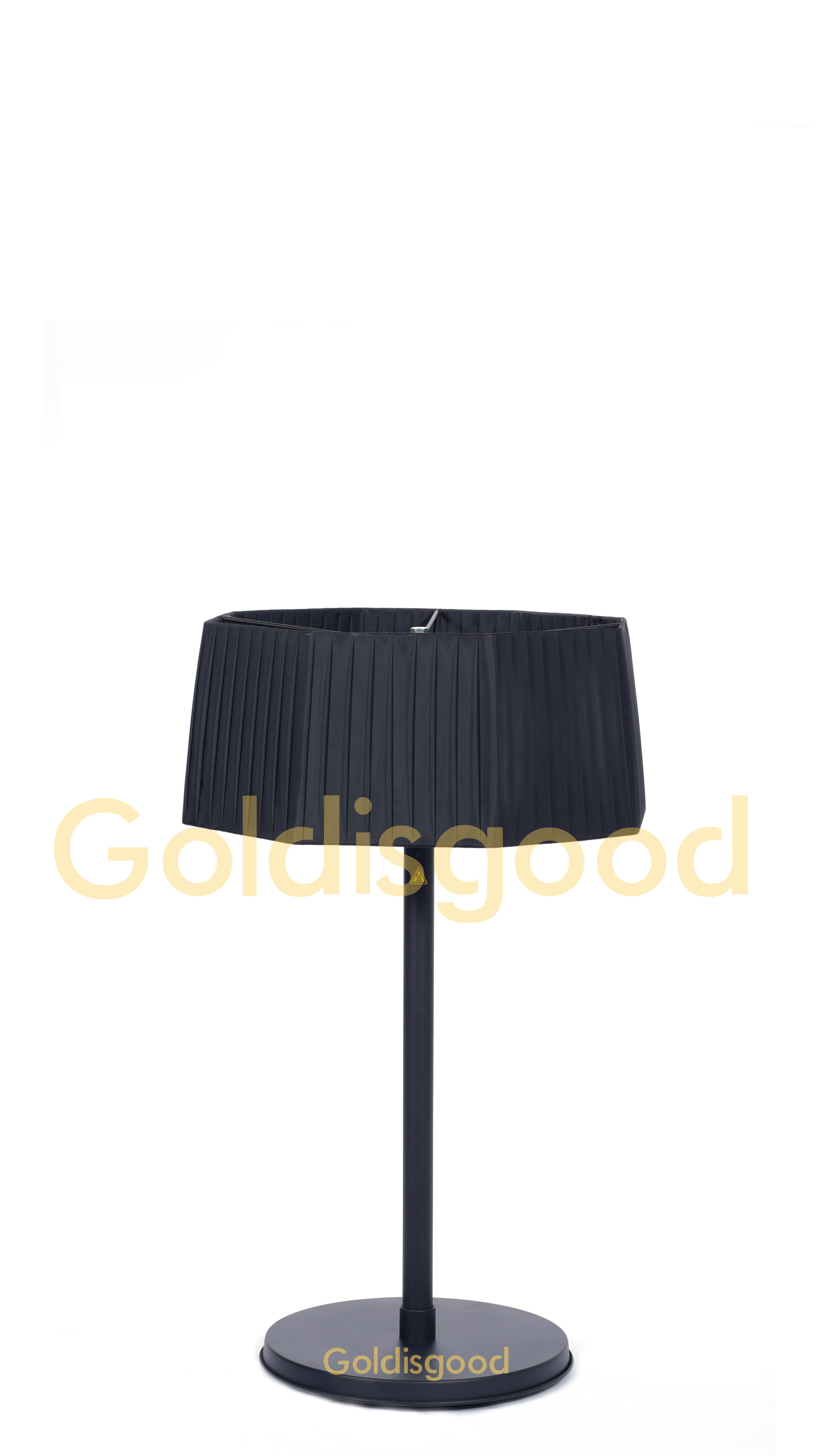
In spaces where displays have to stay pristine, or a lab can’t tolerate a speck of dust, forced-air heaters are a headache. They kick up particles, rob the air of moisture, and swing temperatures in ways that can throw off samples and comfort. Infrared radiant heat is the practical fix—warming people and objects directly, the way the sun does, without moving air.
What matters under the hood
We build large-room infrared heaters around a quartz tube element that puts out medium-wave energy. It’s the sweet spot for deep, even warmth and quick response. The radiant output is directional and controllable, so you focus heat where it’s needed instead of heating the whole volume. A focused beam pattern and adjustable mounting angle let you match the footprint to the room. A built-in thermostat holds the setpoint steady. And because there’s no blower, you don’t have a fan pulling in dust or shedding lubricant. The exterior stays cool to the touch, and the sealed housing helps keep contaminants out.
Why this approach works in these rooms
In a display window, infrared warmth keeps glass from fogging and condensing while holding fabrics, finishes, and electronics at a stable temperature. In a high-precision lab, the lack of air movement means less dust circulating, fewer particulates landing on instruments, and more consistent readings. You get conditions that support quality control, and since the heat is delivered instantly, you skip the long warm-up that can slow down cycles. The payoff is a steadier environment, fewer maintenance interruptions, and energy use that’s easier to plan around.
The real-world details you’ll want to get right
Infrared heaters perform best with a clear line of sight—obstructions and shadows cut effectiveness. They need dedicated circuits and proper clearances from combustible materials, and they’re designed for indoor or protected installations. You’ll notice the warmth feels direct and immediate, even if the ambient air temperature reads a bit cooler than what you’d get with forced-air. Plan for even spacing and thoughtful aim angles, and size the power to the room volume and insulation.Do that, and you get comfort that stays clean, quiet, and precise.