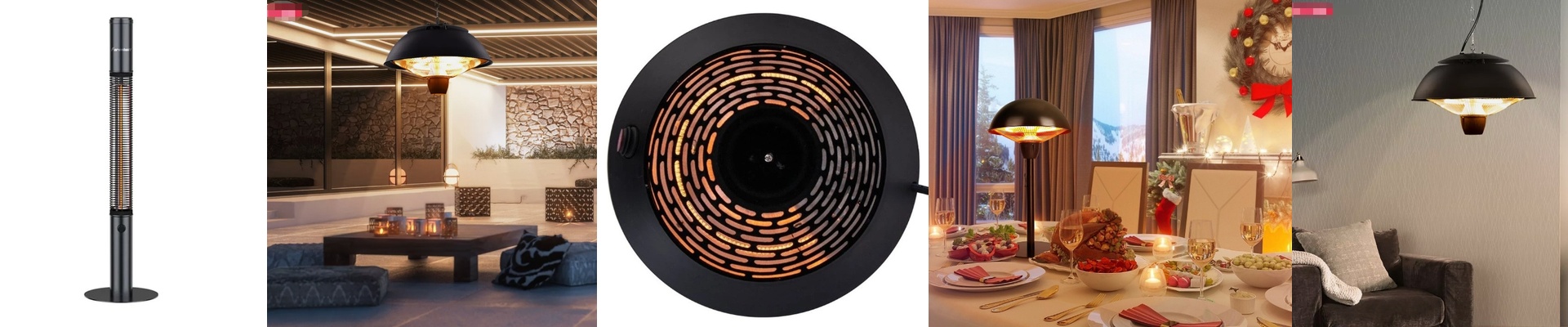
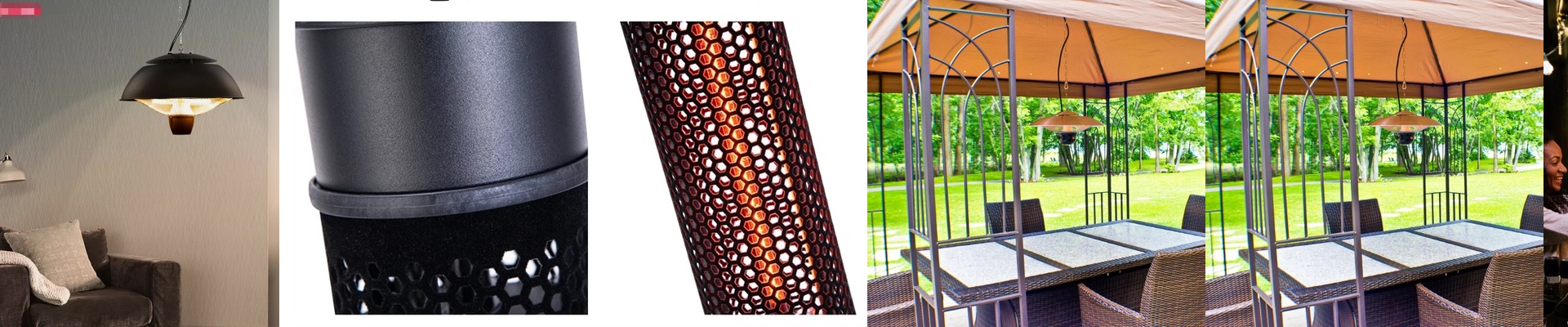
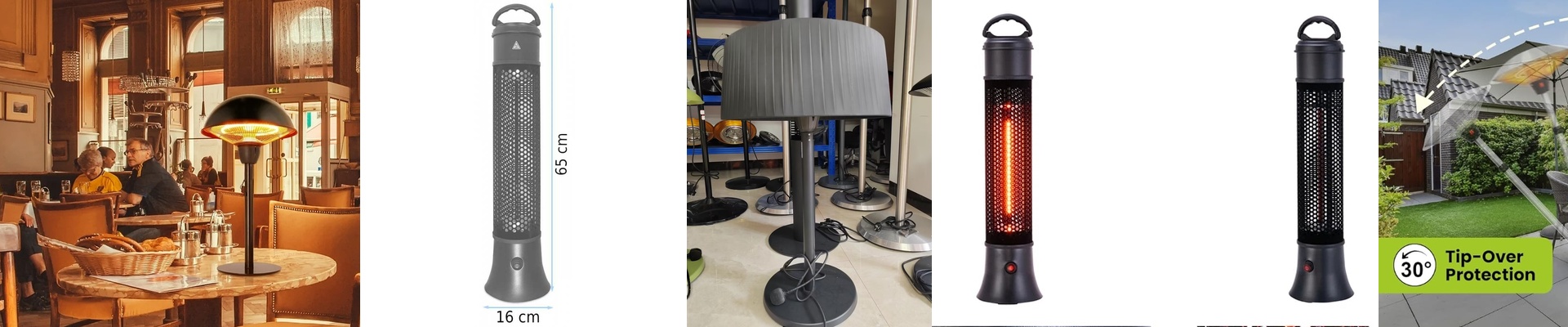

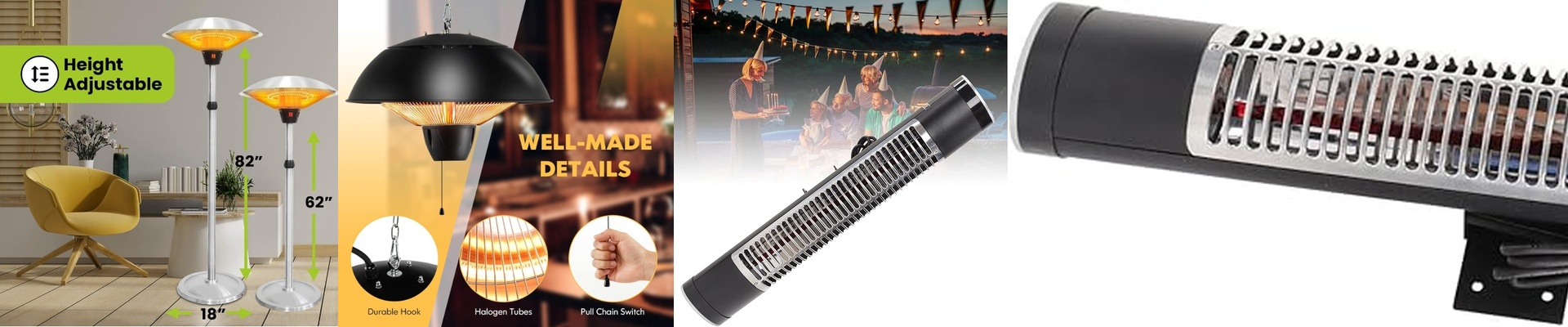
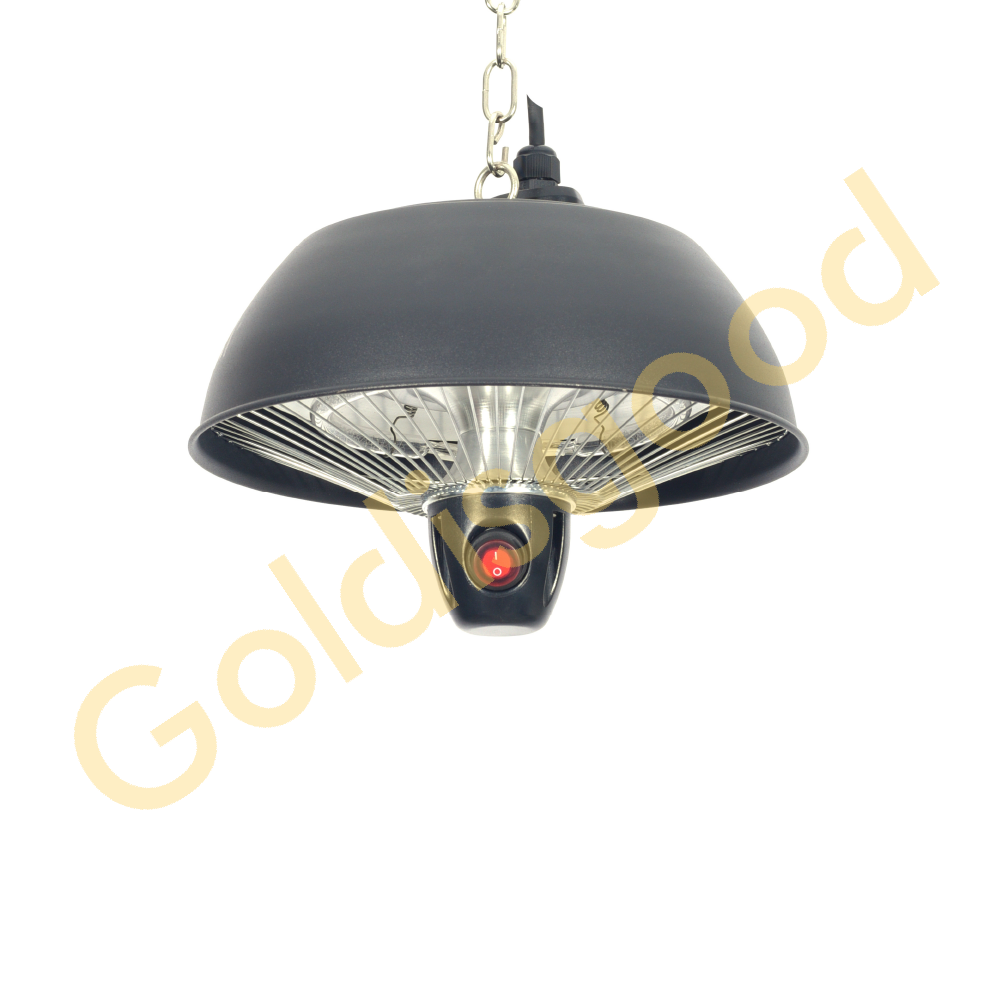
If you’ve ever sat there watching an electric oil-filled radiator slowly warm a room, you know the waiting game—and the way the meter spins right along with it. In workshops, home offices, or those drafty corners that never quite seal up, that wait adds up in real dollars. Infrared heaters flip the script by delivering warmth the way the sun does—straight onto people and surfaces—without wasting energy heating the air. You get comfort faster, and the energy use noticeably drops for the same level of coziness. What matters under the hood Infrared heaters run on radiant heat, not convection, so the warmth starts the moment the element comes up. Many of the quieter models use a carbon fiber element inside a quartz tube, putting out medium-wave infrared that feels even and penetrating. You’ll commonly see them rated around 1,500W on a standard 120V outlet, with an adjustable thermostat and overheat protection. Because the element is sealed and there’s no fan, sound stays low—sometimes just the faint hum of a transformer, and sometimes none at all. Why it works where you need it Compared to electric oil-filled radiators, infrared gives you heat on demand. Oil units have to heat a big volume of oil first, then warm the air around it, which drags out run time and keeps the element working longer than needed. Infrared targets the people in the room, so you feel the warmth almost immediately. In practice, that means shorter run times for the same comfort, and that difference shows up where it counts—on the bill. Owners often talk about meaningful savings, especially in spaces that are only partially heated or used in bursts. The practical details you’ll want to get right Infrared warmth needs a clear line of sight to work well, so placement matters. Furniture or tall equipment in the way can leave cooler pockets. And while infrared heaters are very efficient at delivering comfort, they won’t warm the air in drafty rooms the way a convection heater does. Set it up for direct exposure, and you’ll get the quiet, focused heat you want—without paying to heat empty air.