
Why We’re Swapping Out Old Bathroom Heat Lamps for IP44 Infrared
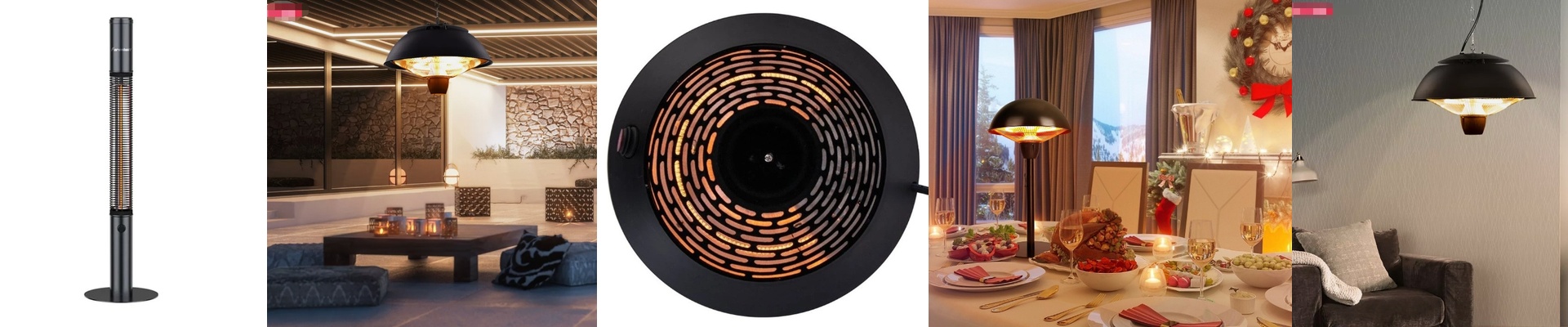
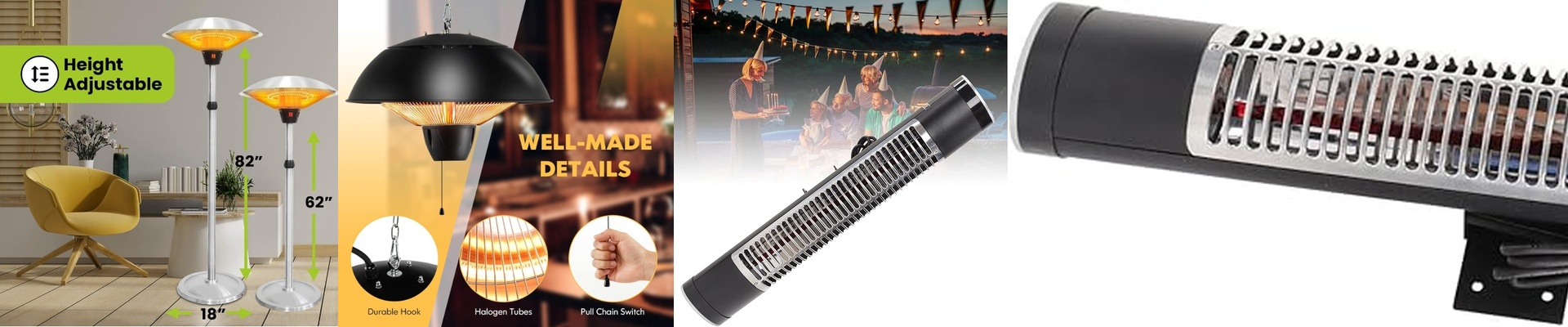
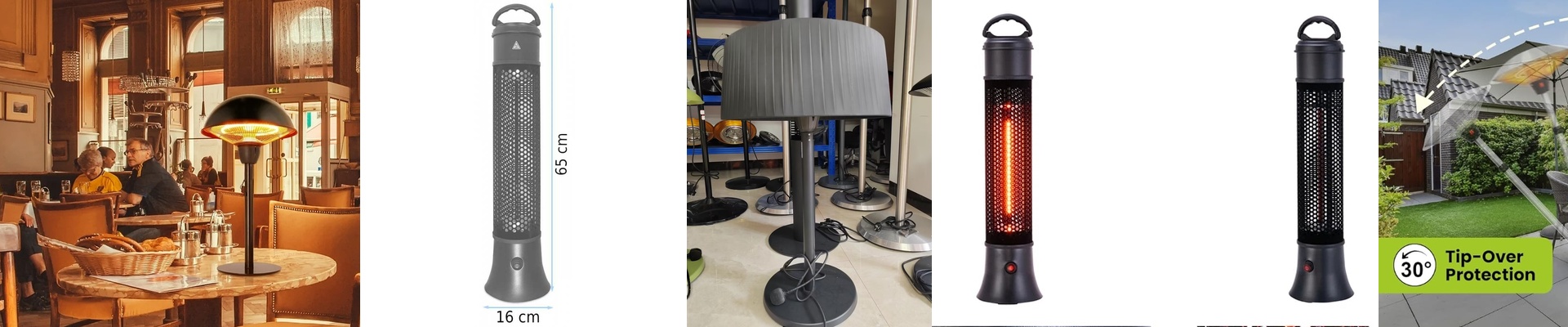
Let’s be honest: those old-school bathroom heat lamps are kind of a pain. They either blast you with a blinding light that feels like an interrogation lamp, or they try to warm up the air, which takes forever. That’s why so many people are moving toward IP44-rated infrared panels. It’s just a better way to stay warm when you’re stepping out of the shower. The deal with IP44 and moisture Bathrooms are tough on electronics. Between the steam and the occasional splash, water gets everywhere. That’s where the “IP44” part comes in. Basically, it means the unit is built to handle splashes from any direction. We make sure the live parts are sealed tight so steam doesn’t sneak in. If you use a lamp that isn’t rated for this, the humidity eats away at the internals. One day it works, the next day it’s shorted out. Not a great way to start your morning. Why infrared actually feels better Here is the big difference: traditional heaters try to warm the air. But air moves. The second you open the bathroom door to leave, all that warmth vanishes into the hallway. Infrared is different. It sends out waves that warm your skin and the surfaces around you directly. You feel it instantly. No waiting around in a towel for the room to “warm up.” It’s just… warm. A quick heads-up on the wiring Now, there is one thing you need to watch out for. These high-output panels pull a bit more power when they first kick on. You can’t just rip out an old bulb and pop one of these in without checking your circuit breaker first. If your wiring is too thin or old, you’ll probably trip the breaker the first time you flip the switch. It’s worth double-checking your amperage before you start wiring things up. Fitting them in The best part? These systems aren’t bulky. They slide right into the ceiling or wall, taking up way less space than those old, clunky heaters. And since the heating element is sealed up tight to meet those IP44 specs, you don’t have to worry about soap scum or dust gunking up the works. They just take the humidity and keep on humming.