
Planning for the Five-Year Burnout: Keeping IP65 Heaters Alive
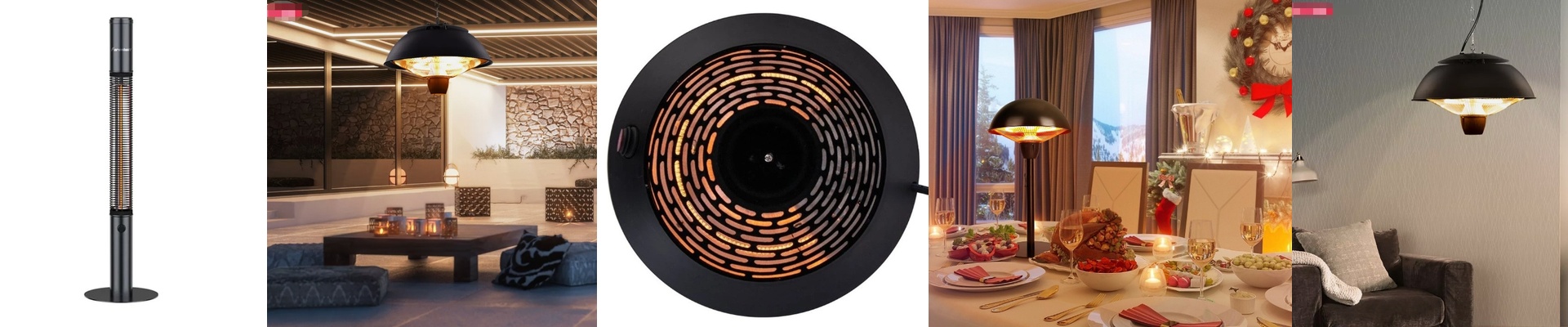
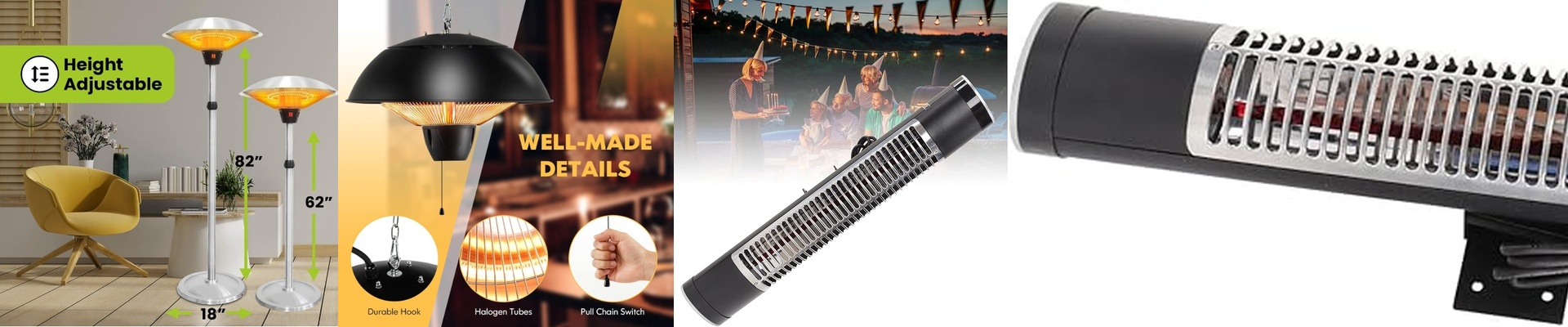
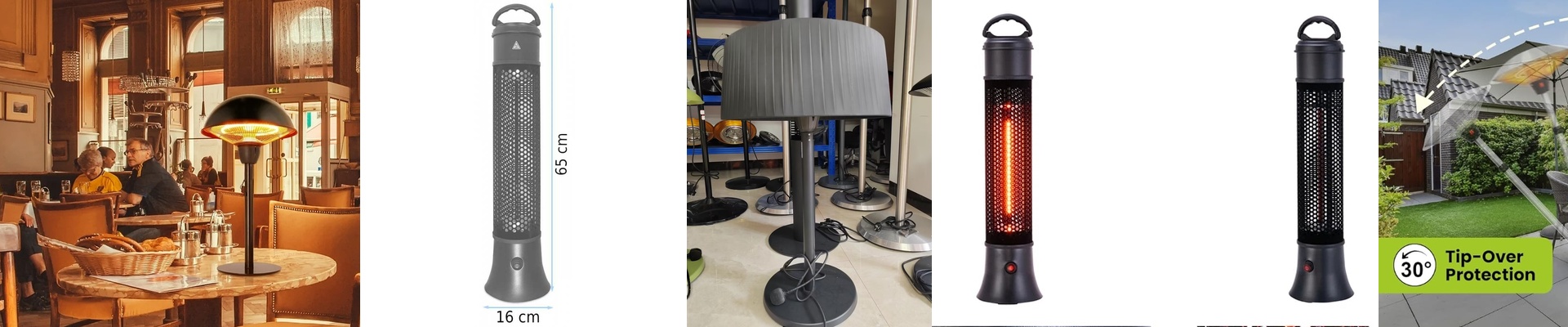
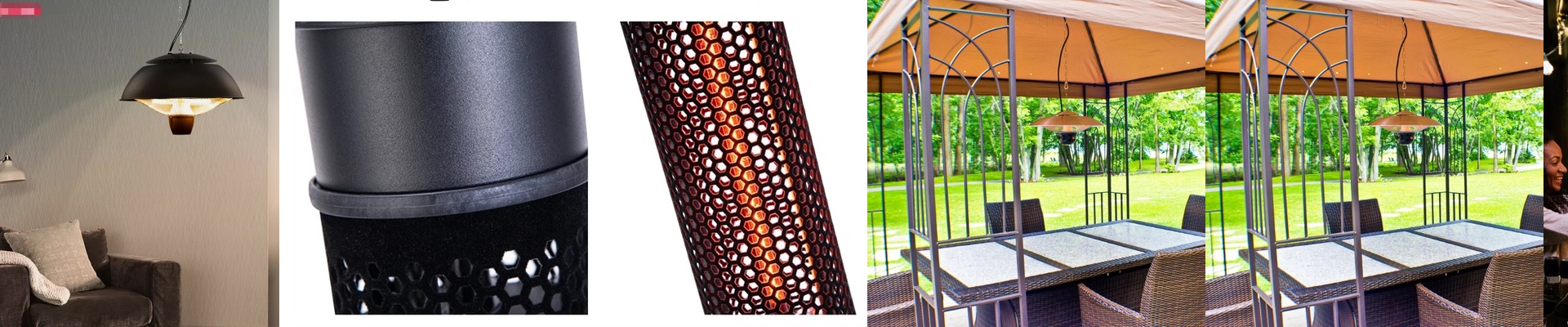
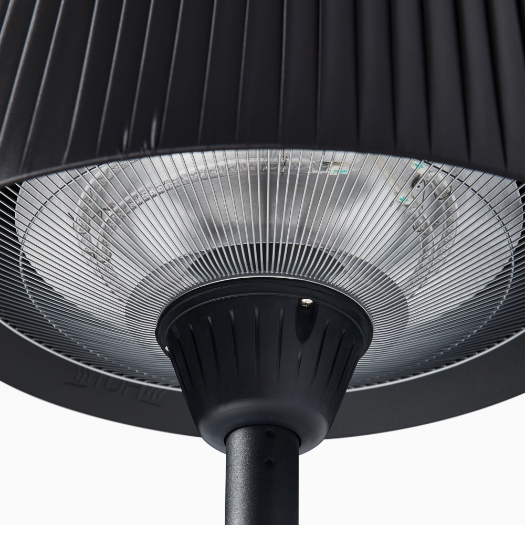
Let’s be honest: outdoor infrared heaters have a tough life. They’re constantly fighting off rain, wind, and dust. Even with an IP65 rating keeping the guts dry, the heating elements are still consumables. They’re going to burn out eventually. The problem is that most companies design these things like they’re permanent monuments. When a tube finally dies five years from now, you usually have to tear the whole chassis apart just to fix one part. It’s a mess. So, we did things differently. The “Drop-In” Approach Most heaters bury the element deep inside the housing. Replacing one becomes a nightmare of endless bolts and ruined waterproof seals. We hated that. Instead, we went with a modular design. Think of the heating module as its own little package. When one fails, you don’t start a demolition project; you just slide the old unit out and snap a new one in. The best part? You don’t have to worry about breaking the seal on the main enclosure. The Catch Now, nothing is perfect. Because these modules are designed to be swapped, the gaskets in the housing have to be incredibly precise. If you’re sloppy and don’t seat the module exactly right, water can get in. It’s a fair trade-off, though. You get your heat back way faster, but your tech just needs to be a bit more careful during the reinstall. Less Wiring, Less Stress We also got rid of the complicated wiring at the element level. Nobody wants to be stripping wires and twisting connectors in the middle of a cold field service call. We switched to standardized connectors. You unplug the old one, plug in the new one, and you’re done. It turns a two-hour headache into a ten-minute swap. If you’re managing hundreds of these units across a facility, that’s huge. You don’t need to call in a specialized electrical team for basic upkeep. You just swap the part and get the heat back on. Simple.