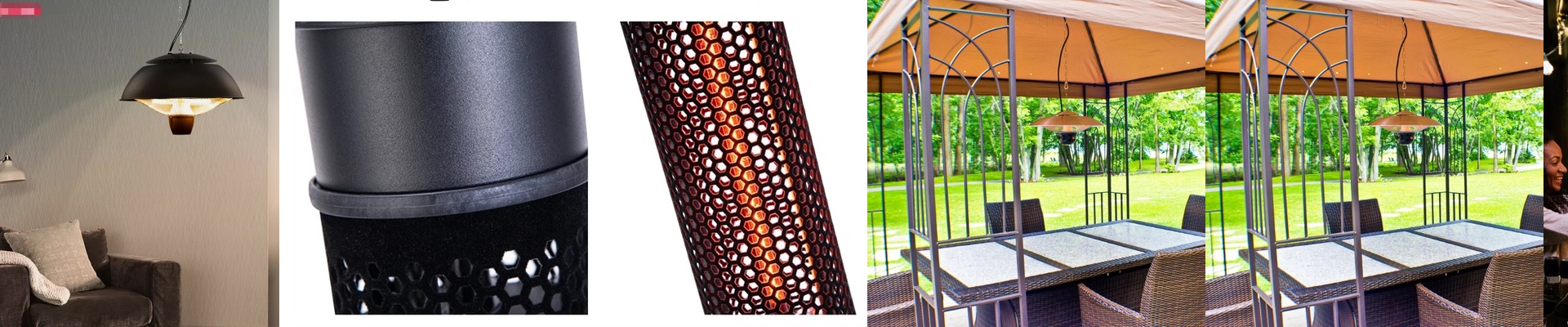
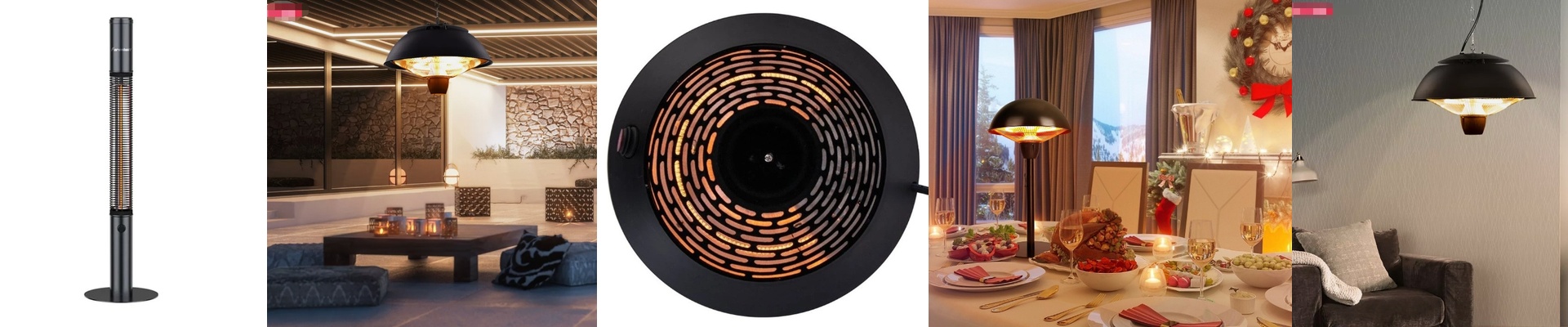

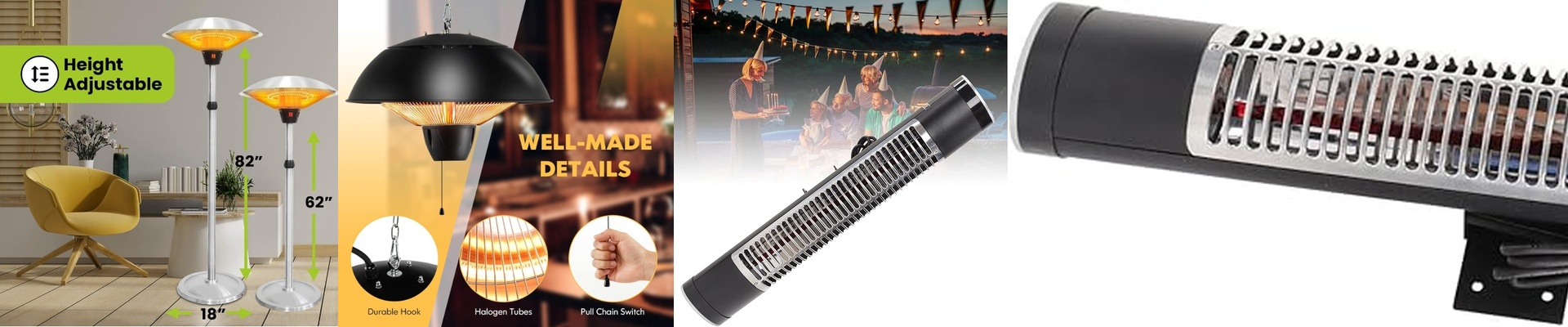
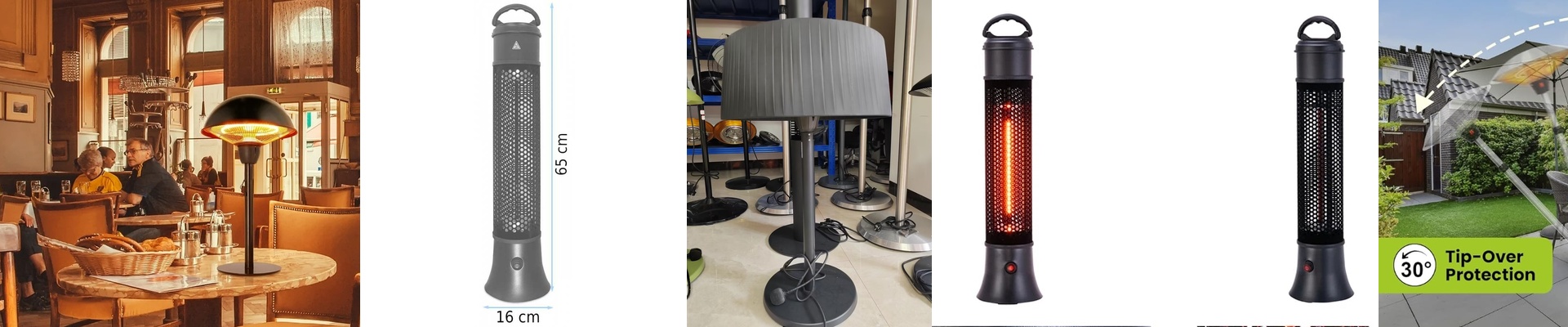
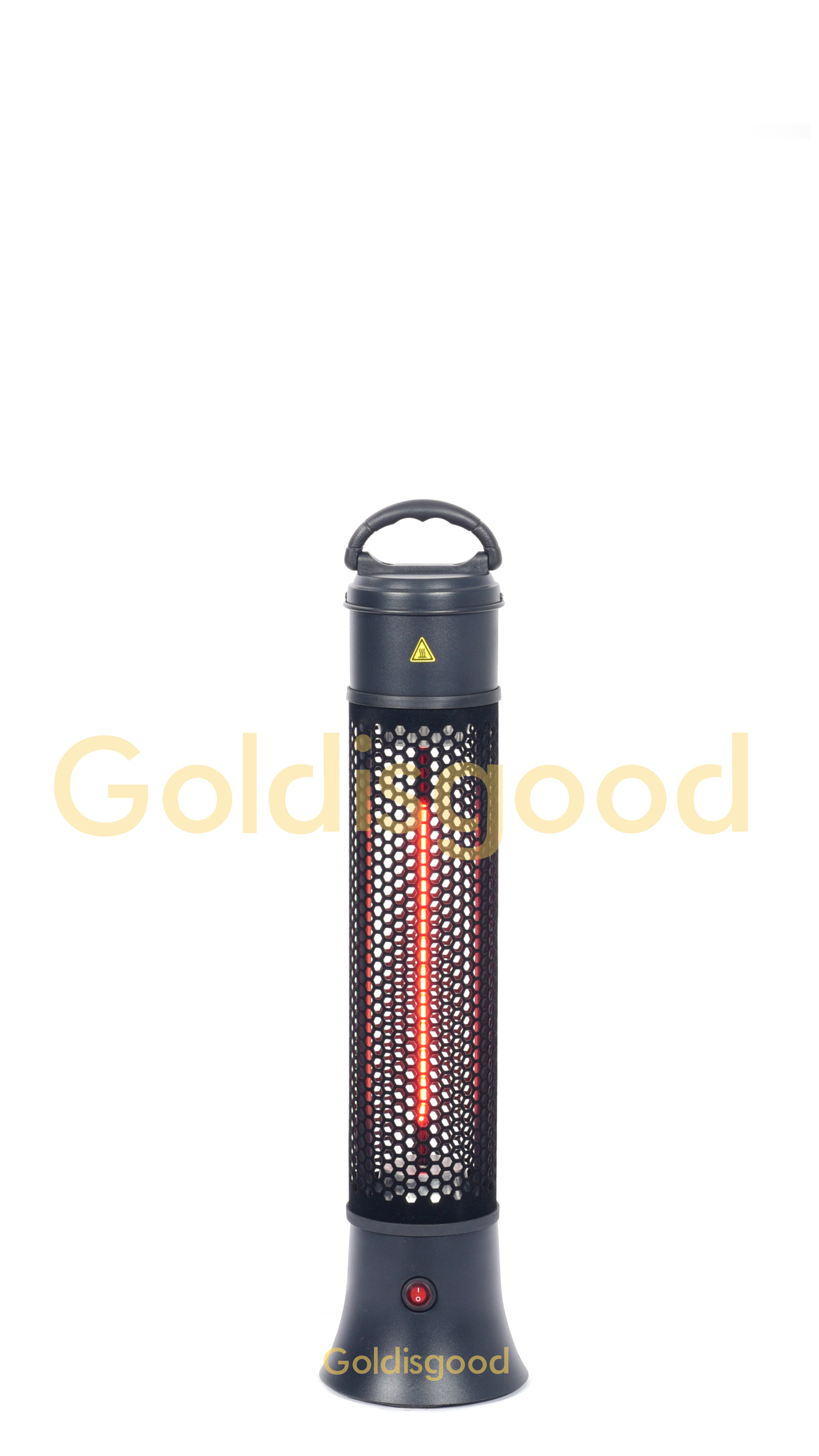
On a winter evening, comfort isn’t a luxury—it’s the difference between staying out with the family or calling it a night the minute the sun dips. That’s why we build every infrared heater around a 3-phase electric design, and why every unit gets 100% full-power load aging before it ever leaves the factory.
What matters, technically
A 3-phase electric heater spreads current across three conductors, so each element runs cooler and more evenly than a single-phase heater at the same output. The payoff is steady infrared warmth with less thermal stress on internal joints and connections. We pair that with a durable radiant element—chosen for fast heat-up and consistent long-wave output—so you feel the heat where you need it, not just in the air above. The unit is engineered for hard-wired 3-phase supply, so performance stays predictable in high-demand outdoor and semi-outdoor spaces.
Why it works in the real world
Full-power aging isn’t a checkbox. It’s how we knock the steepest part of the learning curve out before the heater gets to you. Every unit runs at full load long enough for weak solder joints, marginal contacts, and component drift to show themselves in-house, not in your yard. That 100% inspection cuts down early failures and keeps replacements to a minimum. For you, that means fewer surprises when the evenings turn cold: the heater turns on, holds temperature, and keeps the patio, workshop, or covered dining area comfortably usable.
The practical details
Because this is a 3-phase electric heater, installation needs a dedicated three-phase circuit and a qualified electrician to match wire size, protection, and termination to the unit’s rating. Plan the mounting location with clearance in mind, and pick a model with an IP rating that matches the exposure—splash and weather matter. Once wired correctly, infrared heaters do what they do best: they warm people and surfaces directly, which keeps energy use focused where it actually feels valuable.