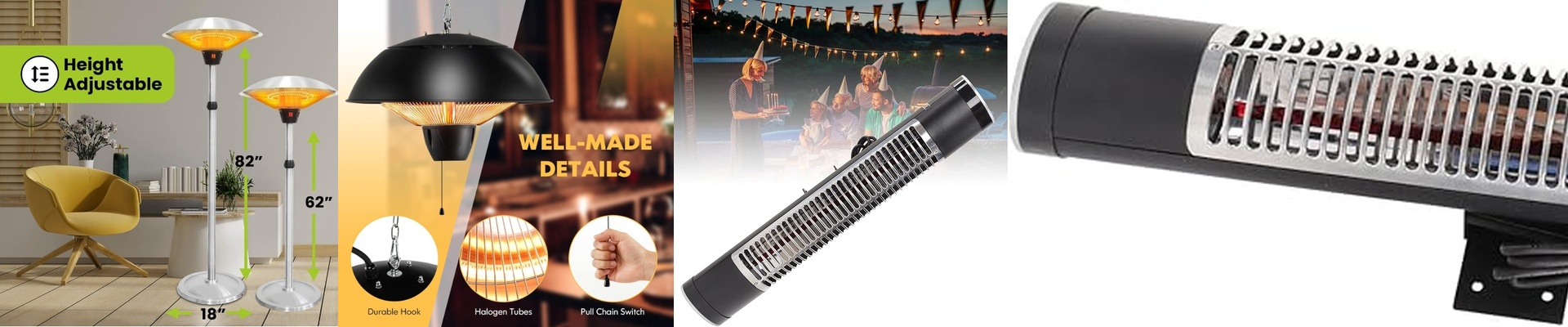



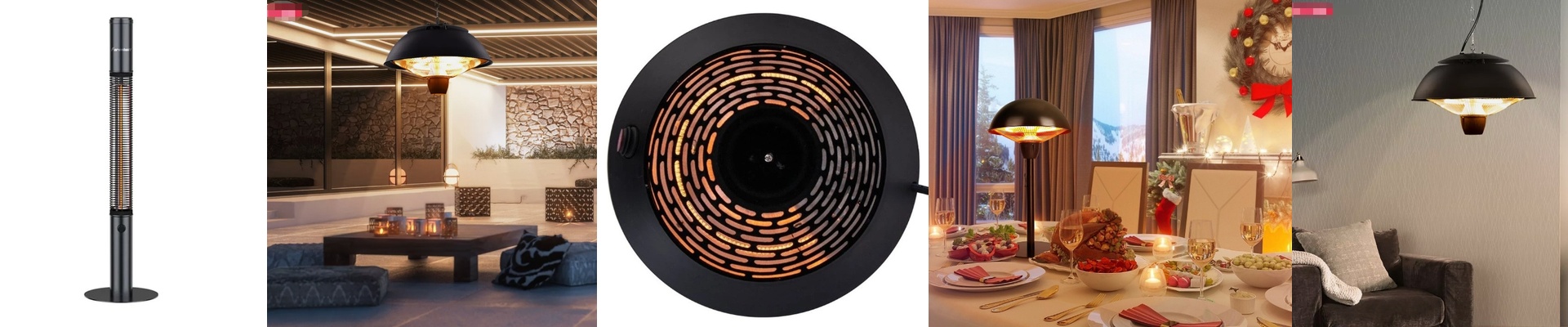

Dorm thermostats can be unpredictable. The moment the building’s heat backs off, the room turns uncomfortably cold. The air feels thin, studying drags, sleep gets restless, and even a casual conversation starts to feel like a chore. Infrared dorm heaters cut through that chill with direct warmth. You don’t have to wait for the whole room to warm up.
What matters, technically
These heaters deliver radiant heat—warming people and objects directly, not the air. Most models use either a carbon fiber element or a quartz tube to put out gentle, directional warmth that feels natural, without blowing air around. They’re built for standard 120V outlets and typically land in the 400–1500W range, so you can match output to the space. A built-in thermostat helps keep the feel steady. On the safety side, look for tip-over protection and overheat protection. If the unit will sit near a desk or window, an IP rating matters. It tells you how well the heater resists dust and splashes.
Why it works in a dorm
Dorm rooms are small, often drafty, and shared—so the heat has to be fast, quiet, and considerate. Infrared warmth hits almost immediately, so you feel comfort within seconds. Because it targets the people in the room, you can run it at lower ambient settings and still feel cozy. That can help keep energy use in check. It runs quietly, so it won’t interrupt reading, calls, or sleep. And unlike forced-air options, it doesn’t dry out the air.
The practical stuff
Space matters. Infrared is directional, so placement is key. Face the unit toward the main seating area, and keep it at a safe distance from bedding, curtains, and furniture. Always plug directly into a wall outlet. Extension cords can overheat. And keep expectations straight: infrared heating is efficient for personal comfort, but it isn’t a replacement for the building’s central heating. Use it as a focused boost where you need it most.