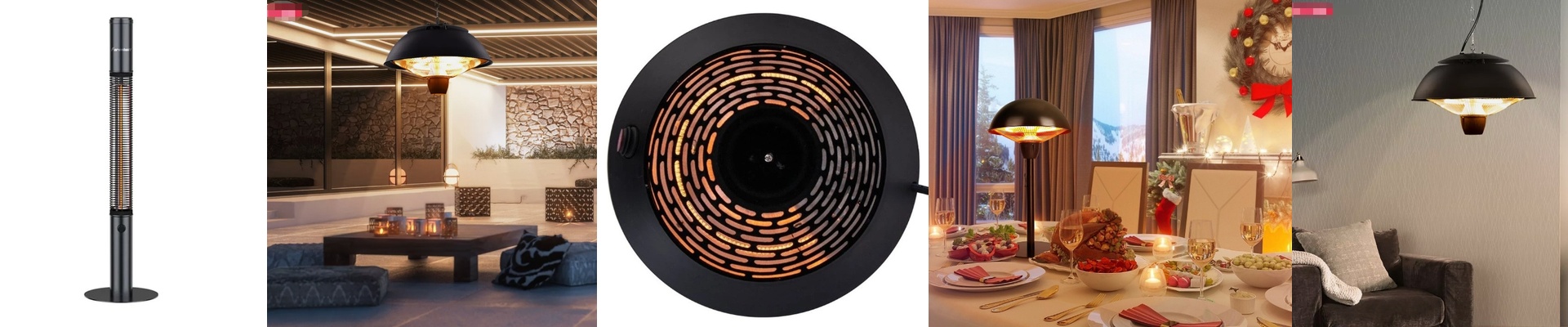
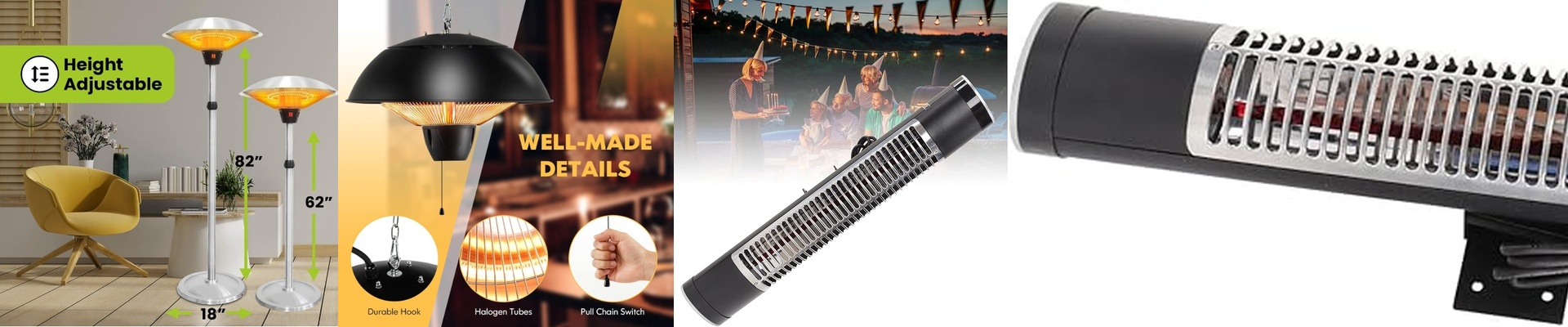
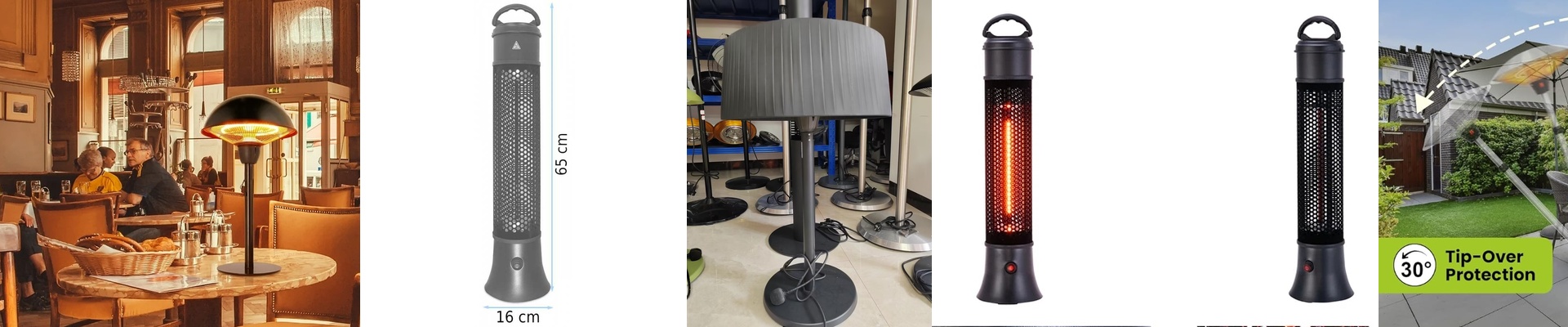
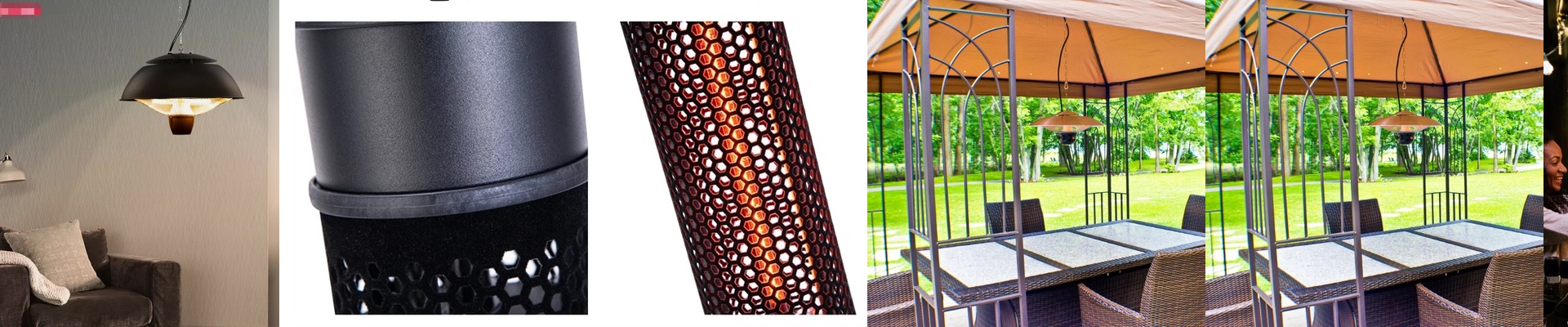

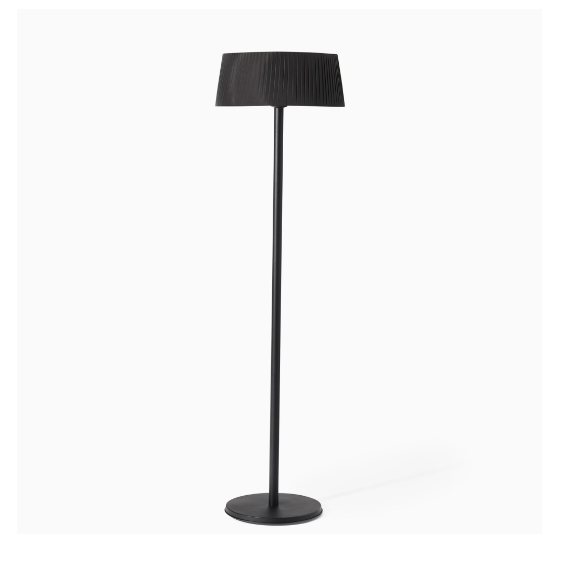
Stop Fighting Your Equipment: A Better Way to Build IP55 Heaters
Here is the reality with waterproof table heaters: usually, you have to choose between a unit that stays dry and a unit you can actually fix. We build these for places where dust and water splashes are just part of the job. But let’s be honest—heating elements eventually burn out. It’s just what they do. If you have to rip apart an entire chassis just to swap one tube five years down the road, that’s not a feature. It’s a nightmare.
Making Tube Swaps Actually Easy
We decided to stop hard-wiring elements into a sealed box. Instead, we treat the heating core as its own separate thing. We use quick-disconnect terminals and brackets that just slide right out. When a tube finally gives up, you aren’t spending your afternoon rewiring the whole system. You just pull the module, unplug the lead, and drop in a new one. It turns a multi-hour headache into a few minutes of work.That’s the kind of difference that actually matters when you’re on the clock.
The Battle Between Seals and Access
Keeping that IP55 rating means you need tight gaskets and sealed cable entries. Usually, “tight” means “impossible to open without a toolkit.” We got around this by using recessed seals that compress the moment you close the unit. You get all the protection you need against water leaking in, but you don’t need to be a locksmith to get inside for maintenance.
The Trade-offs (Because Nothing is Perfect)
Now, look, a modular setup means more connection points than a single, soldered block of metal. That means if a connector isn’t crimped right, it’s a potential weak spot. And there’s one big rule: your team has to use the right torque on the housing bolts after a swap. If those bolts are loose, you’ve got leaks. Simple as that. We build these units for the long haul. By treating the heating element as a part you replace—like a lightbulb—we stopped worrying so much about exactly when it will fail and started focusing on how fast you can get it running again.