
Getting Bathroom Heating Right: Heat Without the Headache
Heating a bathroom is a bit of a balancing act. You want that instant, cozy warmth the second you step out of the shower, but you don’t want to feel like you’re staring directly into the sun. This is especially true if you’re warming up a baby—their eyes are way more sensitive than ours.
Dealing with the Glare
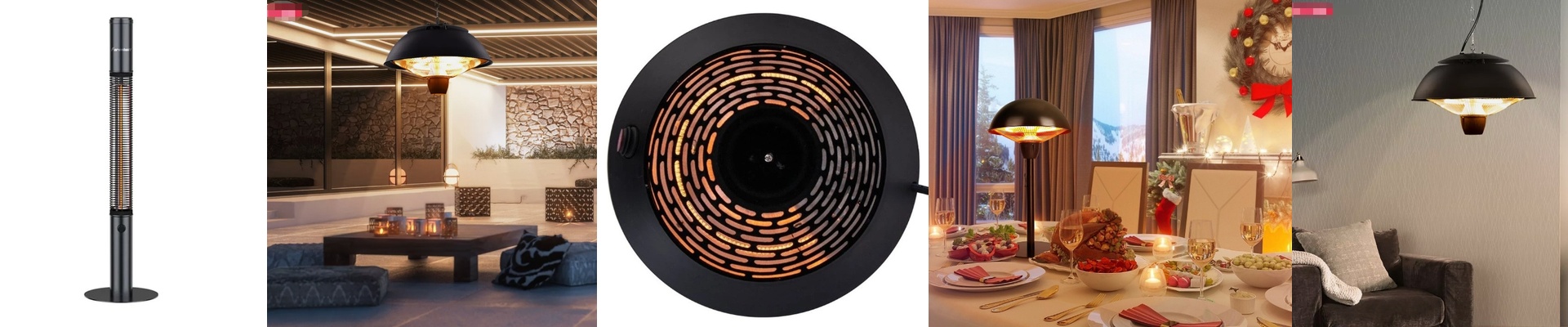
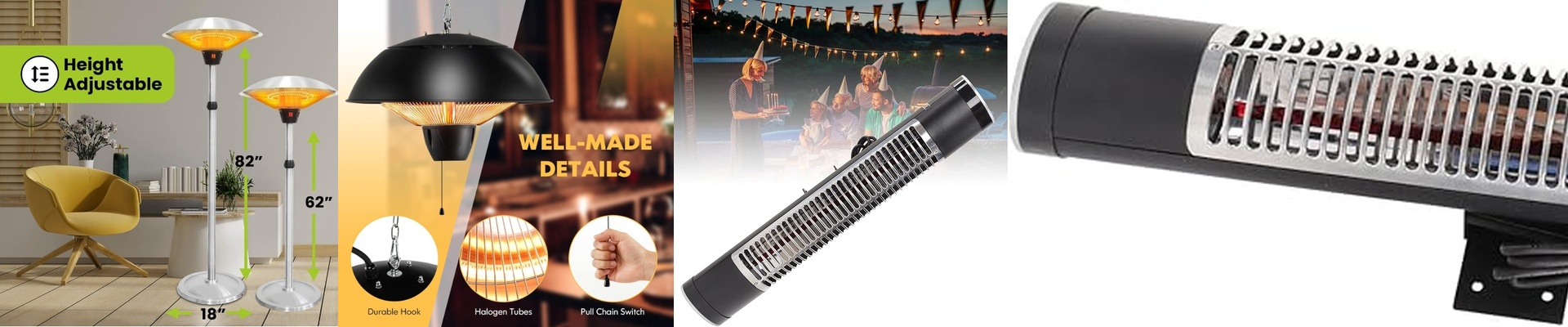
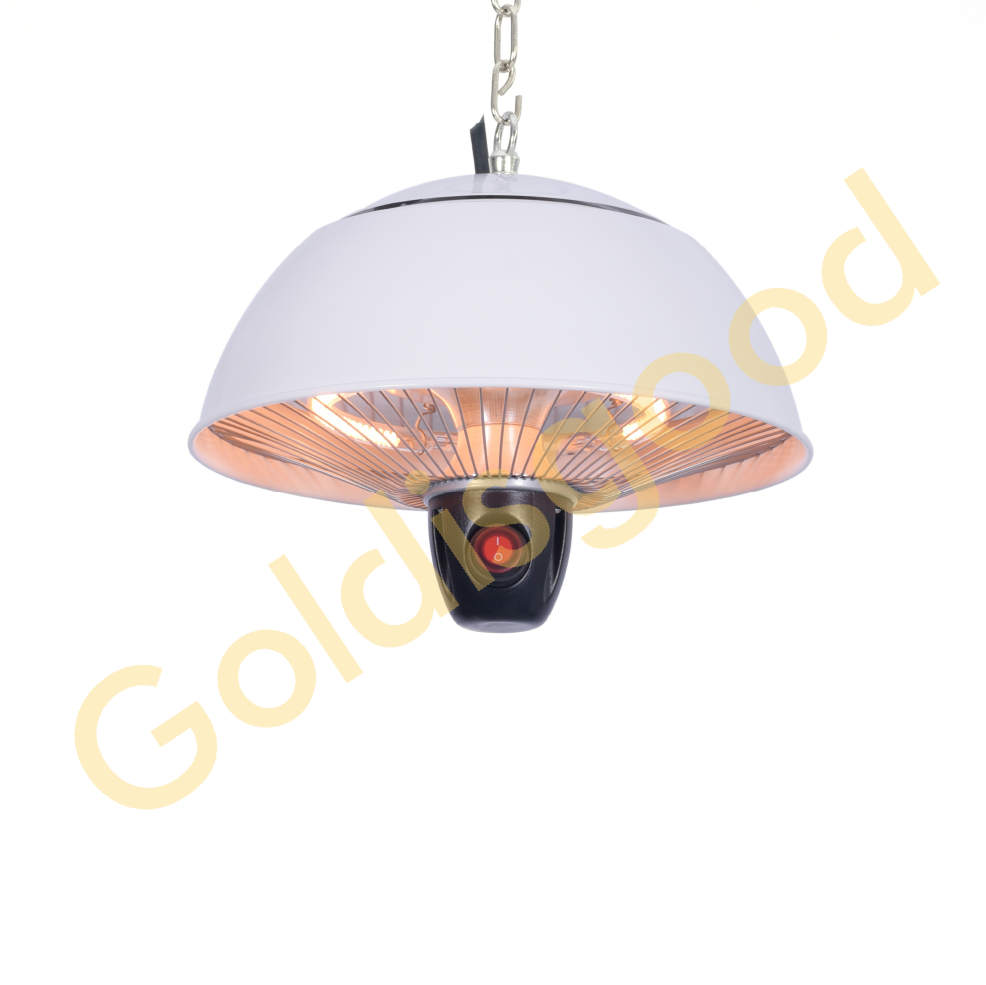
Most short-wave infrared lamps are blinding. They put out this harsh, white light that just hurts to look at. We decided to change that. By tweaking the filament and using a special quartz coating, we basically filter out those aggressive blue light peaks. The result? A much softer, redder glow. You still get all the heat you need to get warm, but you lose the blinding intensity that strains your eyes. It feels more like a warm embrace and less like a spotlight.
Surviving the Steam
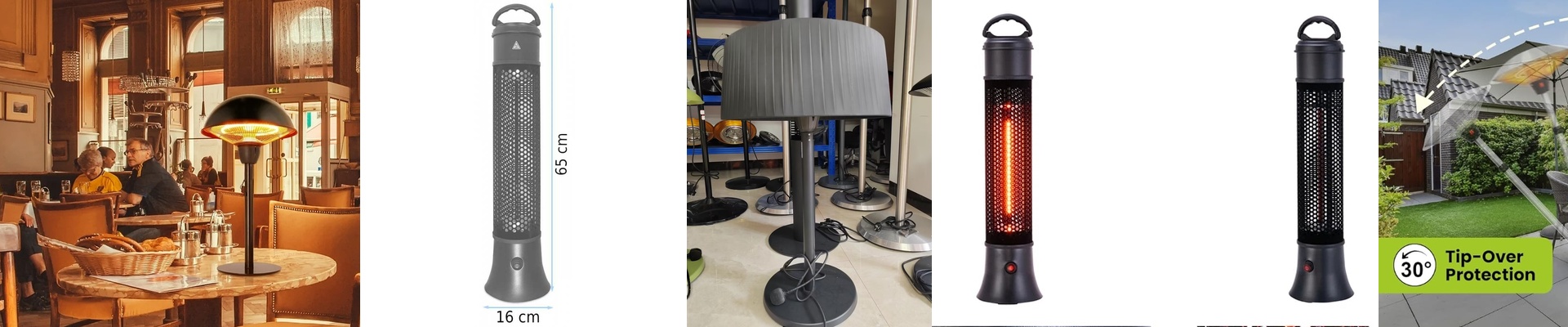
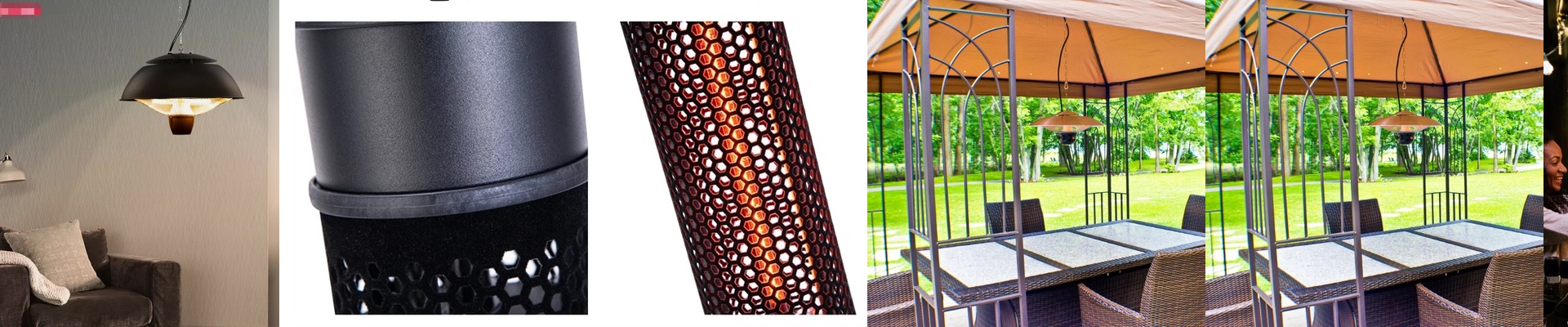
Let’s be honest: bathrooms are a nightmare for electronics. Between the steam and the occasional splash, most heaters just give up the ghost way too early. To stop that from happening, we use IP-rated seals and gaskets that can actually handle the heat. The quartz glass is tough enough to take the thermal shock, and the housing keeps moisture far away from the electrical parts. We also spend a lot of time on the wattage. If you cram too much power into a tiny space, you’ll end up melting your mounting brackets. We’ve dialed in the ratio so the lamp stays hot, but the fixture doesn’t.
The Trade-off
Here’s the thing: when you filter out light to protect your eyes, you lose some brightness. These lamps aren’t going to light up your room like a stadium. You’re trading lumens for safety. But in a bathroom, that’s exactly what you want. You’re there for the heat, not to host a photoshoot. Just a quick tip: make sure your wiring is up to the task. These filtered elements have a specific current draw, and you don’t want to deal with voltage drops across your circuit. Keep the power steady, and you’re good to go.