
Stop heating your walls: A better way to dry in the fab
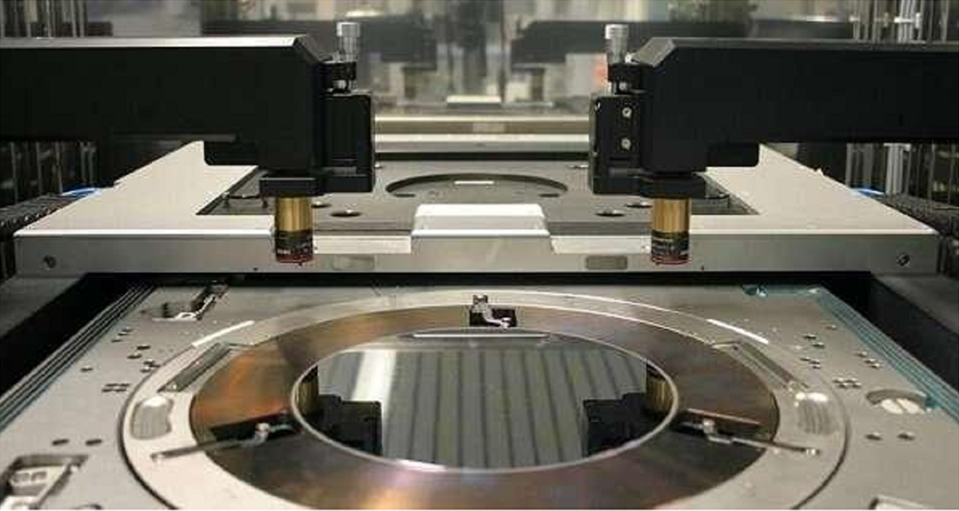
If you’ve spent any time around semiconductor drying equipment, you know the struggle with “hot walls.” When you’re using standard convection or heaters that blast energy in every direction, the machine’s inner walls basically act like a giant sponge for heat. It’s a mess. You’ve got operators worried about burns, and you’re constantly stressing over whether that excess heat is warping your internal parts. It’s a waste of energy and a safety headache. The fix is actually pretty simple: stop heating everything and start using directional infrared (IR). How it actually works Think about a standard heater. It pushes energy out in a 360-degree circle. In a cramped drying chamber, most of that heat misses the wafer entirely and just slams into the chassis. We do things differently. We use short-wave IR lamps with gold-coated reflectors. Instead of a wild blast of heat, it’s more like a flashlight beam. We narrow the angle and push the photons straight at the substrate. The result? The heat goes exactly where it’s supposed to. The walls stay cool because they aren’t being used as a heat sink. Safety and the “Catch” Because the heat is focused, the outside of the machine doesn’t get scorching. You can ditch those massive cooling jackets and the heavy insulation just to make the skin touch-safe. It just feels… cooler. But here’s the thing: you have to be precise. Since these lamps are so intense, the heat flux at the focal point is extreme. If your wafer is off by just a few millimeters, you’re looking at localized overheating. You can’t just “set it and forget it.” Your PLC needs to be dialed in perfectly to manage the duty cycle, or you’ll risk damaging the substrate. Why this matters for your floor When you stop “ghost heating” the walls, a few things happen. First, your HVAC system doesn’t have to work nearly as hard to keep the room breathable. Plus, your ramp-up times get way faster. You aren’t sitting around waiting for the entire mass of the chamber to warm up before you can even start the cycle. You get a faster process, a cooler machine, and a lot less stress.