
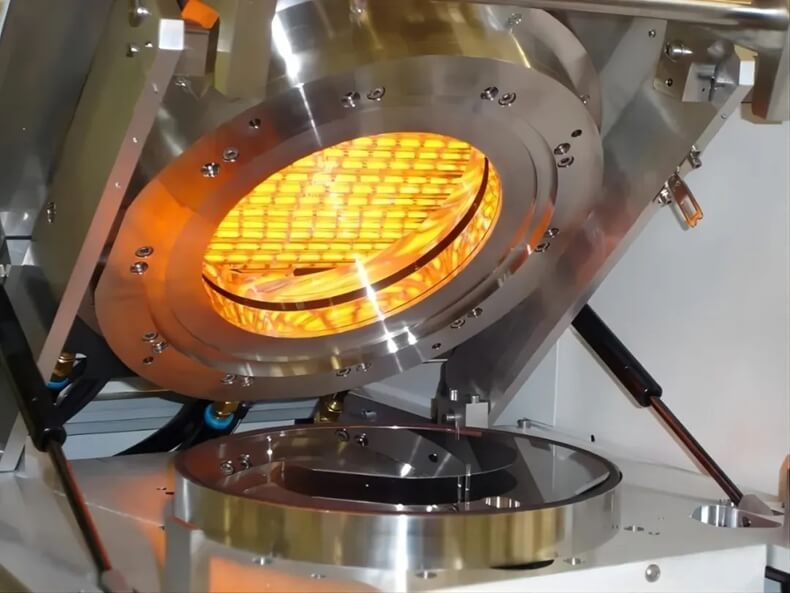
Keeping Things Safe When Your Cleaning Zone is Volatile
Let’s be honest: standard infrared lamps are a nightmare in chemical cleaning zones. When you’ve got flammable vapors floating around, a single spark or one hot surface can turn a workday into a disaster. It’s a huge risk. That’s why we stopped using open-element designs. Instead, we wrap our carbon fiber infrared lamps in a specialized shell. It’s about peace of mind.
Why Carbon Fiber?
We went with carbon fiber filaments because they just handle the heat better. Standard tungsten tends to stress out, but carbon fiber stays steady. The way these lamps work is pretty cool. They use electrical resistance to create a specific kind of heat. This means you can get your cleaning bath or your parts to the exact temperature you need without accidentally baking the air around them. It’s precise.
The “Double-Shield” Approach
To keep those nasty solvents away from the heating element, we don’t just hope for the best. We seal the lamp inside a heavy-duty envelope made of quartz or sapphire. But we don’t stop there. We wrap that in a second protective housing. Think of it as a double-barrier. If the inner tube happens to crack, the heat source is still locked away from the air. And to make sure no vapors sneak into the electrical connections, we use specialized sealing resins at the ends. It’s a tight seal.
Getting Them Set Up
You can plug these right into your existing heating racks. Just do yourself a favor and double-check your current draw first. One thing you’ll notice is that carbon fiber spreads heat much wider than halogen. If you’re dealing with big chemical tanks, that’s a huge win. Now, there is one catch. Because of that protective layering, there’s a bit of a thermal lag. You won’t get that “instant-on” snap you see with a bare bulb. You’ll need to tweak your PID controllers to handle the ramp-up time. If you don’t, you might overshoot your target temperature. But as long as you’ve got the cooling sorted for the housing terminals, these lamps can take a absolute beating in corrosive environments and keep on ticking.