


Stop Wasting Heat in Your Wafer Systems
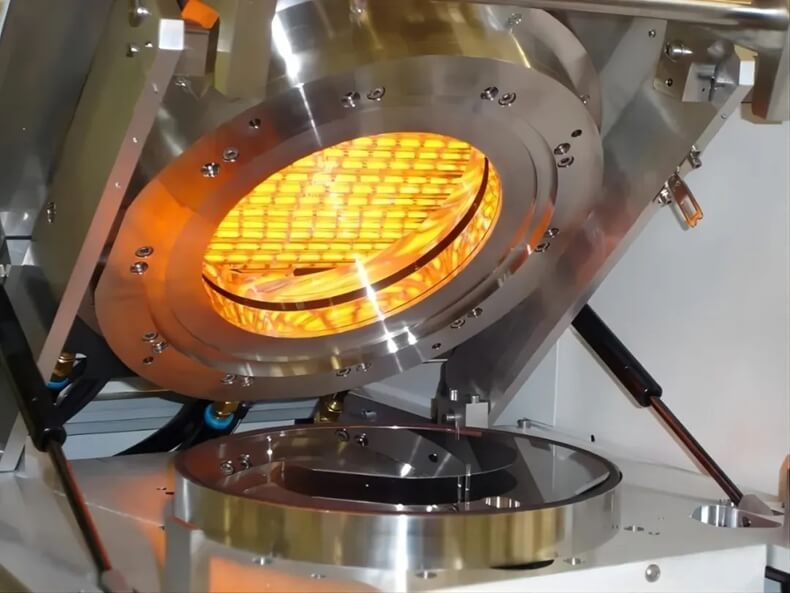
Here is the problem with standard infrared heaters: they leak. A huge chunk of your energy just vanishes into the chassis instead of doing its job. In semiconductor processing, that kind of waste is a nightmare. That’s why we use gold-coated reflectors. It sounds fancy, but the goal is simple: we want every single watt of energy to hit the wafer, not the walls of your machine. Why gold? Most people just use aluminum. It’s cheap, sure. But aluminum tends to soak up too much energy in the long-wave infrared spectrum. Gold is different. It reflects over 98% of that IR band. When we line the heater cavity with gold, those “dead zones” where heat usually escapes just disappear. The energy gets focused. The result? You get the surface temperatures you need without having to redline your power supply. Getting the heat where it belongs When you’re setting up a wafer heater, you’re really chasing uniformity. You want the heat even, and you want it fast. Gold reflectors tighten the beam angle. This means your temperature ramp-up happens way quicker because the energy is aimed precisely at the substrate. Plus, it keeps the rest of your machine cooler, which means less stress on your hardware. The catch Now, gold isn’t invincible. It’s a thin layer. If you’re working with corrosive gases or abrasive particles, that coating can scratch or peel. Once it’s damaged, your reflectivity tanks and your electricity bill starts climbing. You’ve got to keep your chamber seals tight. Keep the gunk out, and the gold stays happy. Real talk for the shop floor If you switch to gold-coated reflectors, you can actually drop your wattage and still keep your throughput exactly where it is. It’s a lot easier on your power rails. And if you’re staring at a 300mm wafer with uneven heating patterns, don’t just keep cranking up the lamp wattage. That rarely works. The problem is usually the geometry of the reflection. Swap in a gold-coated system. It’ll tighten up your thermal profile and just… work.