
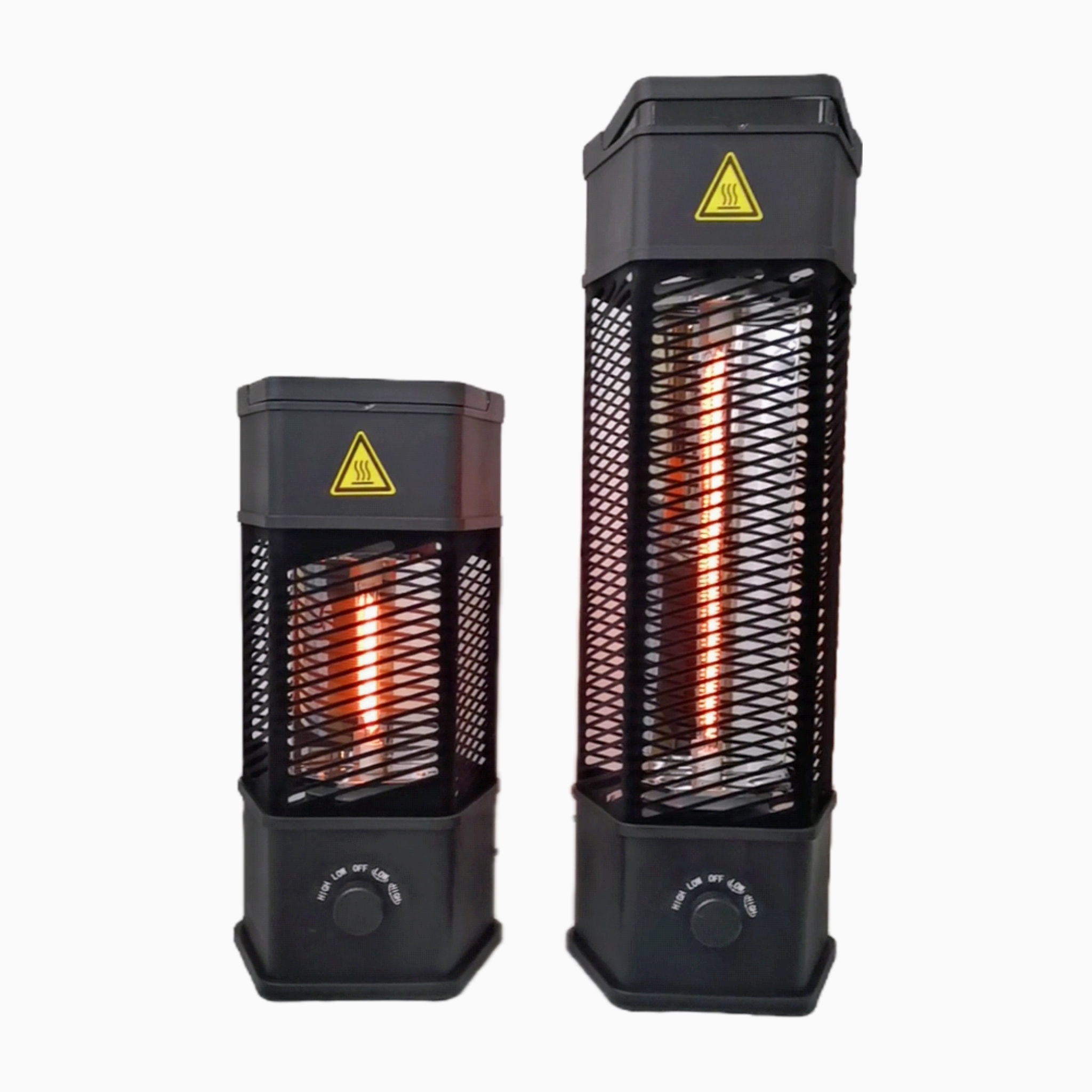
Why Bathroom Heaters Die (And How to Actually Fix It)
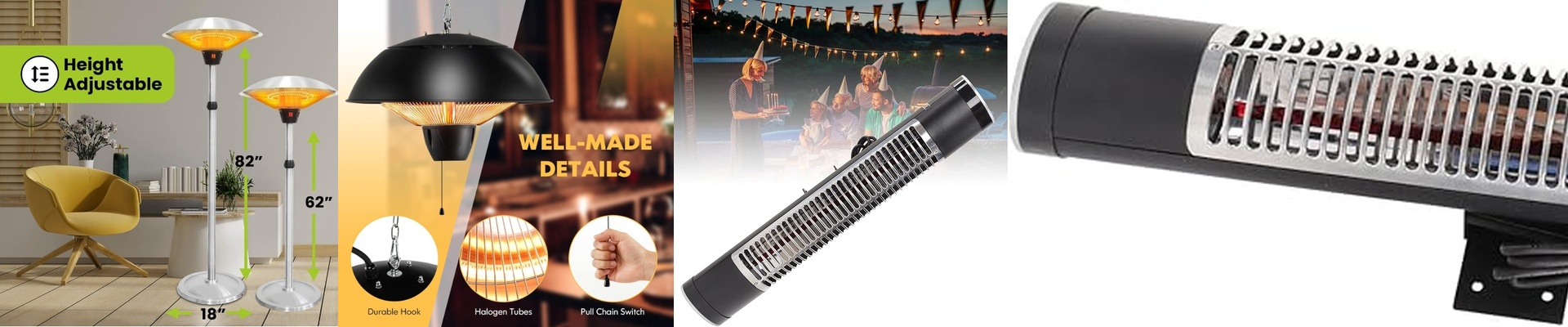
Bathrooms are brutal on electronics. You’ve got thick steam one minute and intense, localized heat the next. In those infrared wall heaters, there’s one specific spot where things usually go south: right where the lead wire hits the heating element. If that seal isn’t perfect, moisture sneaks in. Then, the constant heating and cooling just bakes the insulation until it gives up. Here is what’s actually happening. Most basic heaters rely on cheap glue or gaskets that don’t quite fit. They just don’t hold up. We see it all the time in the field. The heat from the lamp makes the wire jacket brittle, it cracks, and then the steam moves in. Once that happens, the insulation carbonizes and—pop—you’ve got a dead short. We do things differently. Instead of just hoping the glue holds, we use a multi-stage compression process. We’re talking high-temp silicone or ceramic-glass seals that stay tight even when the element is screaming hot. It basically keeps the oxygen and moisture away from the copper leads entirely. The difference is in the grit. Cheap heaters use “commercial grade” wiring that’s basically designed to fail eventually. It just can’t take the beating. Our process is more about craftsmanship. We use precision crimping and heat-shrink sleeves that can handle over 200°C. We don’t just glue the wires and call it a day; we mechanically lock them in place. That way, when the metal expands and shrinks as it heats up, the wires don’t just pull loose from the terminals. One quick heads-up on installation. There is a trade-off. Because the seal is so tight, the lead wires are a bit stiffer. You can’t just bend these into a sharp 90-degree angle to cram them into a wall. If you force a tight corner, you risk a stress fracture in the seal. And if that seal breaks, you’re right back to square one with the short circuits we worked so hard to prevent. Just give the wire a natural, gentle radius in your mounting bracket. Give it a little breathing room, and it’ll last.