
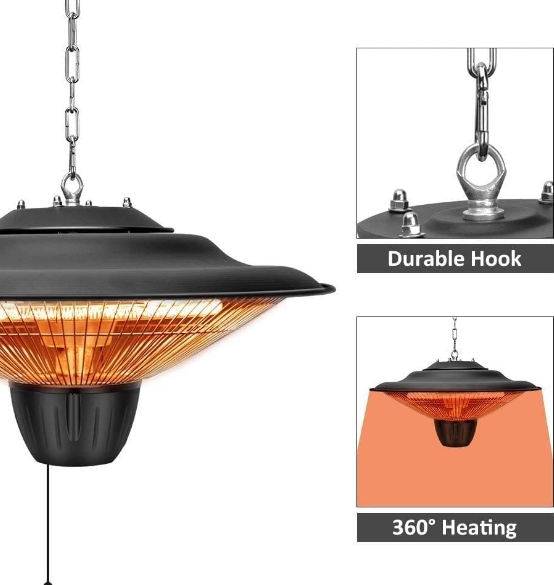
Making Bathroom Heaters That Actually Last
Let’s be honest: bathrooms are a nightmare for electronics. You’ve got thick steam, wild temperature swings, and humidity that just won’t quit. It’s basically a death trap for electrical components. That’s why we don’t just “hope” our lamps hold up. We try to break them in the lab first.
The Battle Against Steam
Water vapor is a sneaky thing. It finds its way through seals and settles right on the quartz envelope and the electrode contacts. Once that happens, you get oxidation. Even worse, you get “tracking,” which is just a fancy way of saying the electricity jumps where it shouldn’t and shorts the whole thing out. To stop that, we put our lamps through a bit of torture. We lock them in chambers with 95% humidity and swing the temperature back and forth for hundreds of hours. We’re hunting for the tiniest leak. If a microscopic bit of air gets into that quartz tube’s vacuum seal? The tungsten filament is gone in seconds.Poof.
Finding the Sweet Spot
Here’s the thing: people love shortwave infrared because the heat is instant. But that kind of intensity can chew through gaskets and housing if you aren’t careful. We handle this with specialized glass-to-metal seals. It gives you that blast of warmth you crave on a freezing Tuesday morning, but there’s a catch. Your fixture needs the right ventilation. If the air doesn’t move, the heat builds up, the reflector warps, and suddenly your heater isn’t pointing the heat where it belongs.
How We Know It Works
We don’t guess. We measure the insulation resistance before and after the stress tests. If that number drops, the seal is failing, and the lamp is trash. We also keep an eye out for “darkening.” If the quartz gets cloudy, the heat output tanks. We only ship the units that stay stable—same wattage, same brightness—after the full torture cycle. It’s a lot of work upfront, but it means you don’t have to deal with a frustrated customer calling you because their heater died after a month.