

Why We’re Moving to Vacuum IR Curing
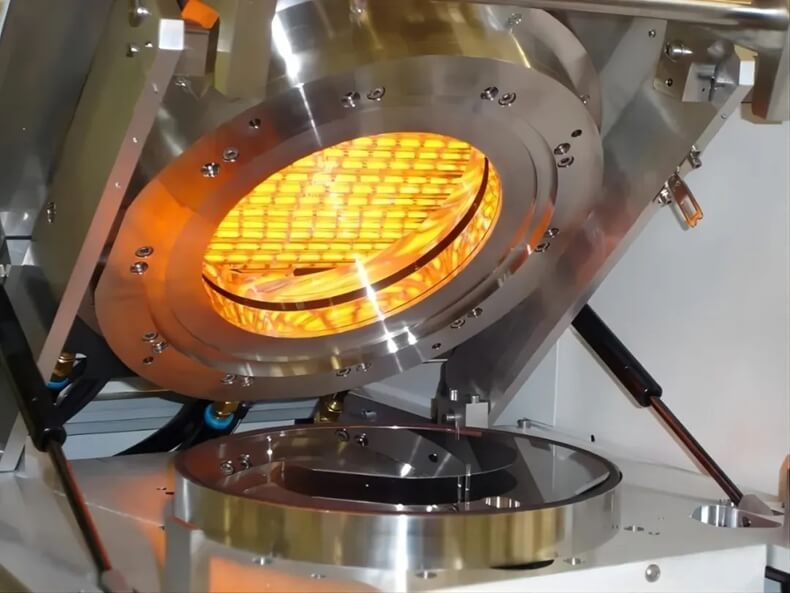
Let’s be honest: old-school convection ovens just aren’t cutting it anymore. Between the push for “green energy” and the strict rules around lead-free manufacturing, the industry is hitting a wall. That’s where vacuum-compatible infrared (IR) heaters come in. Instead of trying to heat up a bunch of air and hoping it warms your wafer, IR goes straight for the target. It’s radiation. It hits the substrate directly, and it does it fast.
The Reality of Heating in a Vacuum
Here’s the thing about working in a vacuum: you have no air. None. Which means convection—the way a standard oven works—is basically impossible. We design our IR lamps to live in these high-vacuum chambers where the only thing moving is electromagnetic waves. The big win here? No air means no floating particles. You don’t have to worry about some random contaminant landing on your wafer and ruining the whole batch. Plus, lead-free requirements usually mean you need much higher temperatures to get the job done. With IR, you hit those temps in seconds. You aren’t wasting energy heating up the entire room; you’re just heating the part. It’s a huge relief for the power bill.
The Hardware Headache (And How We Fix It)
Building these isn’t as simple as just plugging in a bulb. We use high-purity quartz and very specific filaments. Why? Because in a vacuum, materials can “off-gas.” If your lamp starts leaking chemicals into the chamber, your wafers are toast. We also use heavy-duty, vacuum-rated seals to make sure the chamber stays tight. But there is a catch. Since there’s no air to carry heat away from the lamp itself, the heater runs much hotter than it would in a normal room. It’s a bit of a balancing act. You have to get your cooling jackets and heat sinks exactly right, or you’ll burn through your seals faster than you can replace them.
What This Actually Means for Your Floor
If you’re still using thermal tunnels, you know how much space they take up and how many solvent-heavy drying agents they require. Switching to IR changes the vibe of the floor. It’s a much smaller footprint. It’s quieter. And it’s a lot easier on the electricity budget. It’s really the only way to hit those zero-emission targets without slowing down your production line. You get the speed you need, but without the environmental guilt.