

Introduction
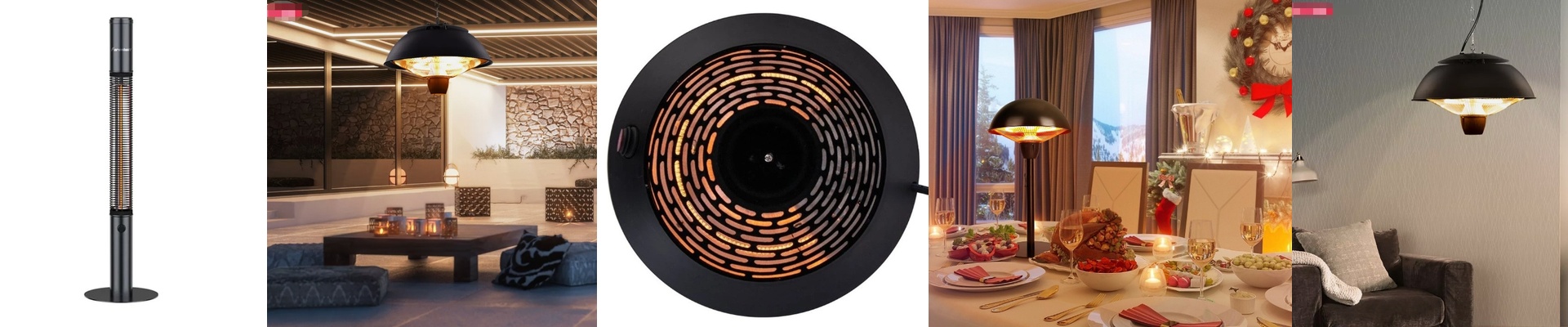
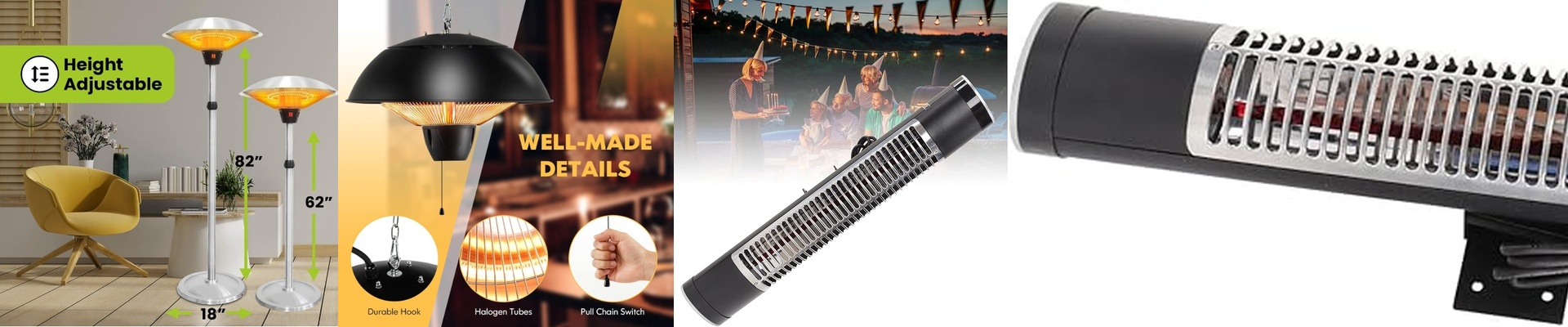
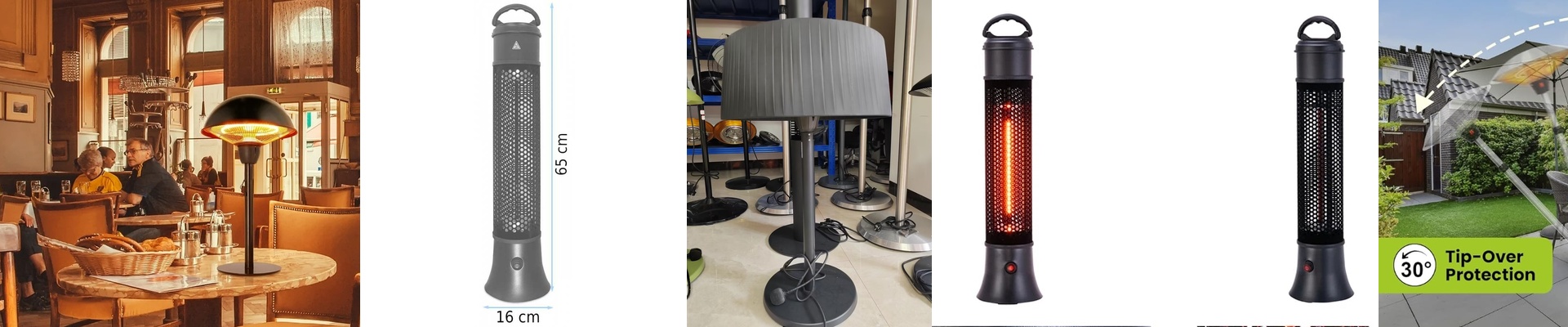
We built this 1500W ceiling-mount infrared heater with one place in mind: your outdoor hangout. Think gazebos, covered patios—any spot where you want heat the second you need it, without noisy fans or a tangle of ductwork. The idea is simple: warm the people, not the empty air. Direct, on-demand comfort that can handle damp nights and open exposure.
Power, Voltage, and Heat—Plain Talk
That 1500W rating isn’t for show. It’s about getting a lot of warmth out of a small footprint, enough to cover a typical gazebo without pushing your home wiring past its comfort zone. And it’s meant to run on the voltage most homes already have, so you don’t need a transformer hunt or a rewiring project just to make it work. Ceiling-mounting does something important: it aims the heat down, where people actually stand and sit. No wasted warmth drifting up into the rafters. But here’s the catch with packing that much power into a small box: it runs hot. Fast. If the heat can’t find a smart path out, it’ll start stressing every seam, every seal—and yes, the wiring too. Get the thermal design wrong, and the heater starts cooking itself. Not a good look.
Materials and Design: The Details That Keep It Alive
Inside, an infrared element glows inside a quartz tube. That tube gets seriously hot, and that heat travels—right out along the wires and straight to the connections. Standard insulation and flimsy crimps don’t stand a chance over time. They bake, they crack, and moisture finds its way in. So we use industrial-grade lead-sealing where the wires meet the unit. This isn’t for looks. It’s the barrier that keeps heat from migrating along the cable, blocks moisture, and saves the insulation from turning brittle. The connectors matter just as much. We spec a tough, high-temperature terminal block that holds tight when things expand and contract. Cheap ones loosen, start arcing, and then the unit gives up. This one stays steady, even after seasons of heat cycles.
Why This Matters for Your Outdoor Space
A gazebo is a beautiful spot—and it’s also a rough environment. Humidity. Big temperature swings. Condensation that shows up when you least expect it. We built this heater to survive that reality, because consumer-grade units routinely fold under those conditions. The electrical interface stays protected, so you’re not fixing it every time the weather changes its mind. Installation is meant to be straightforward. Mount points are clean, wiring access is easy to work with, and the whole unit is designed to drop in when you’re replacing something that gave up. Just keep this in mind: it runs hot because it’s delivering immediate infrared warmth. That means whatever you mount it to—and any nearby materials—need to handle high heat. Follow the clearances, and you’re good. If you want outdoor heat you can actually count on—without the constant service calls—the inside has to be built to take the heat, day after day. That’s exactly what we focused on.