

Cutting Carbon in the Fab: Why IR Heating Actually Works
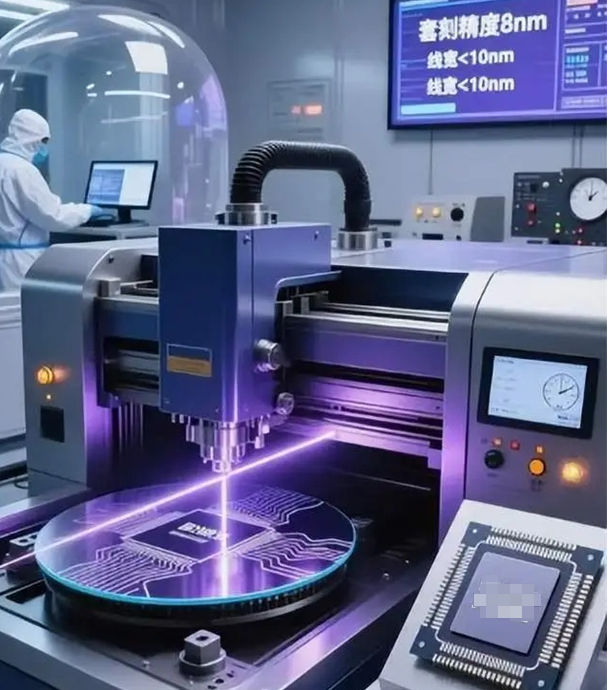
Let’s be honest about semiconductor fabrication. It’s a power hog. When you’re managing thermal processes in a cleanroom, the energy bills are staggering, and the carbon footprint is even worse. Most of us are used to traditional convection ovens or resistive heaters. But there’s a better way to handle the heat:Infrared (IR) lamps. Here is the thing about old-school heating. You heat the air, and then you hope that air heats the wafer. It’s incredibly wasteful. You’re basically paying to warm up the entire room just to get a tiny piece of silicon to the right temperature, and then your HVAC system has to work overtime to cool that heat back down. It’s a loop of wasted money. IR is different. It uses electromagnetic radiation to hit the substrate directly. No middleman. No heating the air. The result? You ramp up to temperature way faster. You stop leaking heat into the ceiling and start putting that energy exactly where it belongs. Now, obviously, you can’t just throw a heat lamp into a fab. Particles are the enemy here. To keep things pristine, we use high-purity quartz envelopes. This stops outgassing and keeps contamination from ruining your yield. Plus, these lamps pack a lot of punch in a small package. You can tuck them right into the vacuum chamber or the wafer handling tool without needing a massive footprint. But I want to be real with you—it’s not a magic wand for every single line. IR creates intense, localized heat. If you’re working with a wafer that’s ultra-thin or a material that’s a bit finicky, you could easily scorch the surface before the rest of the material even warms up. You have to get your PID controllers and sensors dialed in perfectly. If you wing it, you’re going to burn through your substrates. Still, from a “Green Factory” perspective, the win is huge. When you stop relying on those massive forced-air heaters, your chilling plants can finally breathe. We’ve seen Scope 2 emissions drop significantly just by swapping out legacy heaters for targeted IR arrays. It’s a simple move. You hit your carbon targets, save on power, and you don’t have to tear down your entire production flow to do it.