


Keeping Your Cleanroom Actually Clean During Thermal Processing
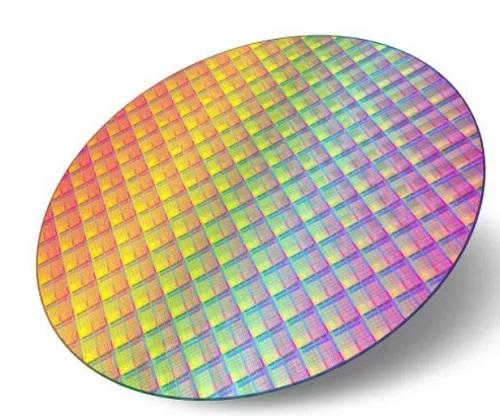
If you’re aiming for Class 100 standards, you know the drill. Even a tiny bit of outgassing or a few stray particles from your heating elements can ruin everything. Standard infrared lamps usually aren’t up to the task—they’ve got surface impurities or cheap sealants that just don’t cut it. That’s why we stick with Ultra High Purity (UHP) synthetic quartz. It just removes the guesswork. The deal with UHP Quartz We use high-purity synthetic fused silica for our lamps. The big difference is the lower hydroxyl (OH) content. In plain English? It means the lamp won’t spit out volatile organic compounds (VOCs) once it hits peak temperature. When you’re working with semiconductor wafers or high-end optical glass, a single microscopic speck is a defect. Period. To stop that from happening, we chemically etch and vacuum-bake our UHP tubes so the surface stays completely inert. Power and the “breathing room” problem These high-wattage UHP lamps pump out concentrated shortwave radiation. It’s great because you’re heating the workpiece directly, rather than wasting energy heating up the air or the chassis around it. But there’s a catch. Because they run so hot to get that kind of output, the quartz expands.A lot. If your fixtures are too tight, the quartz will crack under the pressure. You’ve got to leave enough headspace for the material to move. The tricky parts We use specialized connectors to keep the seal gas-tight. If air leaks into the halogen cycle, oxygen gets in, and your filament burns out way faster than it should. One more thing: UHP quartz is a bit more brittle than the doped glass you might be used to. It handles the heat shock like a pro, but it can’t take a physical hit. And please,use lint-free gloves. Even a single fingerprint leaves behind oil. Once that bakes into the quartz, it creates a “hot spot.” That’s usually how these tubes fail prematurely, and it’s a headache you just don’t need.