


Why We’re Obsessed With Dielectric Testing in Wafer Curing
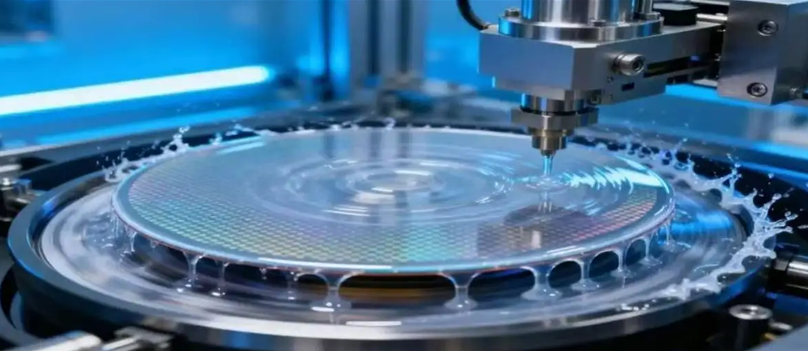
Wafer curing lamps deal with some pretty brutal heat. When you slide these into high-end semiconductor gear, that Reflector does more than just bounce light—it’s a key part of the electrical path. If the insulation fails? You’re looking at a blown controller or, even worse, a ruined batch of wafers. That’s a nightmare nobody wants.
Why we test every single unit
We don’t do “batch sampling.” That’s just gambling. Sampling might miss that one tube with a tiny, invisible crack in the quartz or a dirty electrode. Instead, we put every single lamp and reflector assembly through HiPot and insulation resistance tests. Every one. Here’s how it works: we hit the unit with a voltage way higher than what it’ll see in the real world. We’re basically trying to break it. If there’s a hidden weakness, we want it to fail here in our shop, not in your cleanroom. We’re hunting for leakage currents that could cause arcing between the heating element and the housing.
Dealing with the heat
High-wattage lamps create an incredible amount of heat in a very small space. Materials expand. They shift. And if the insulation isn’t built for those swings, it loses its strength. We use high-purity materials because they actually hold up when the lamp is screaming at peak temperature. One quick tip: make sure your chassis grounding is rock solid. Even with our testing, a poorly grounded machine creates “floating potentials.” Over time, that puts a lot of unnecessary stress on the lamp’s insulation.
The reality of the fit
These lamps are built to drop right into precision curing rigs. The tolerances are tight. I mean really tight. There’s almost no breathing room between the hot zone and the equipment frame. Because of that, we prioritize safety over speed during our quality checks. Yeah, it takes us longer to test every unit. But that’s a fair trade-off to avoid the catastrophic downtime of a short circuit in the middle of a production run.