


Why we’re swapping convection for IR in cleanroom ovens
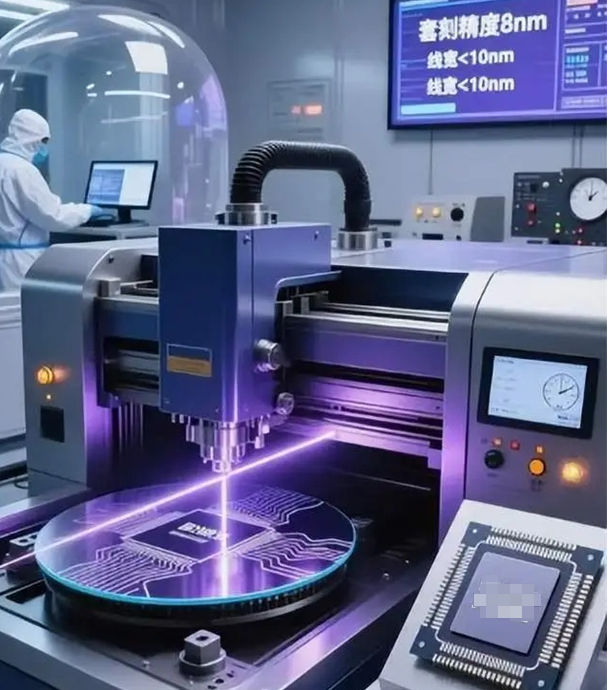
If you’ve spent any time in a semiconductor fab, you know the struggle. You need pinpoint thermal control, but you can’t have a single speck of dust ruining a batch of wafers. For a long time, we just leaned on traditional convection ovens. But here’s the thing: heating up a giant box of air just to warm up a tiny substrate is a waste of time and power. That’s why we’ve moved toward infrared (IR) heating lamps. Instead of waiting for the air to get hot, IR radiation hits the wafer directly. It’s faster. It’s cleaner. And it just makes more sense. Cutting the waste Think about a standard oven. You’re spending a huge chunk of your energy budget just heating the walls and the empty space inside. It’s inefficient. We use short-wave and medium-wave emitters because they target the specific materials you’re actually processing. You aren’t fighting the room temperature; you’re just heating the part. When you’re running a fab 24/7, those saved kilowatt-hours really add up. It’s a simple way to shrink your carbon footprint without sacrificing throughput. Keeping it clean In a cleanroom, “good enough” isn’t an option. You can’t have lamps flaking off or releasing weird gases into the air. We use quartz-envelope lamps to avoid that. They don’t off-gas. Plus, they pack a lot of heat into a very small space. This means you can actually build smaller ovens. And as any fab manager will tell you, the less space you have to keep sterile, the easier your life is. The “gotchas” (and how to handle them) Now, you can’t just rip out your old heaters and toss these in. IR lamps are intense. If you don’t size your cooling systems correctly, you’re going to have a bad time. We’ve seen it happen—concentrated heat loads can warp a chassis or trip every thermal alarm in the building if the ventilation isn’t up to the task. And the hardware is only half the battle. You need a smart control loop. We pair our heaters with PID controllers and pyrometers so you don’t overshoot your target temperature. It stops those heartbreaking “burn outs” on sensitive components. Less scrap in the bin means a happier boss and a much greener factory.