Making Your Outdoor Heaters Actually Smart
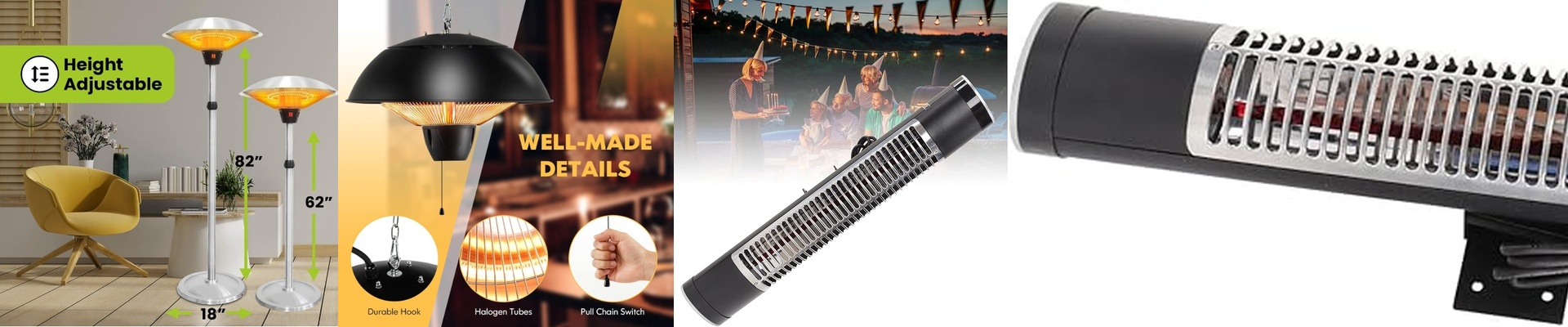
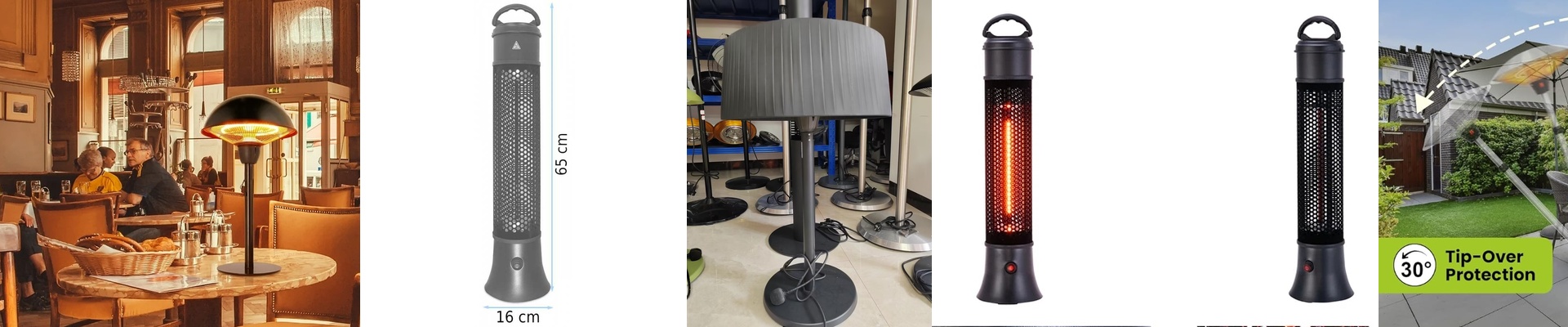
We build our infrared heaters with an IP65 rating, which is basically a fancy way of saying they won’t blow a fuse the moment a bit of rain or a splash of water hits them. They’re dust-tight and can handle a good spray of water without breaking a sweat. That’s why they’re the go-to for things like rainy patios, steamy bathrooms, or those drafty industrial spots where a regular heater would just give up.
How they actually work
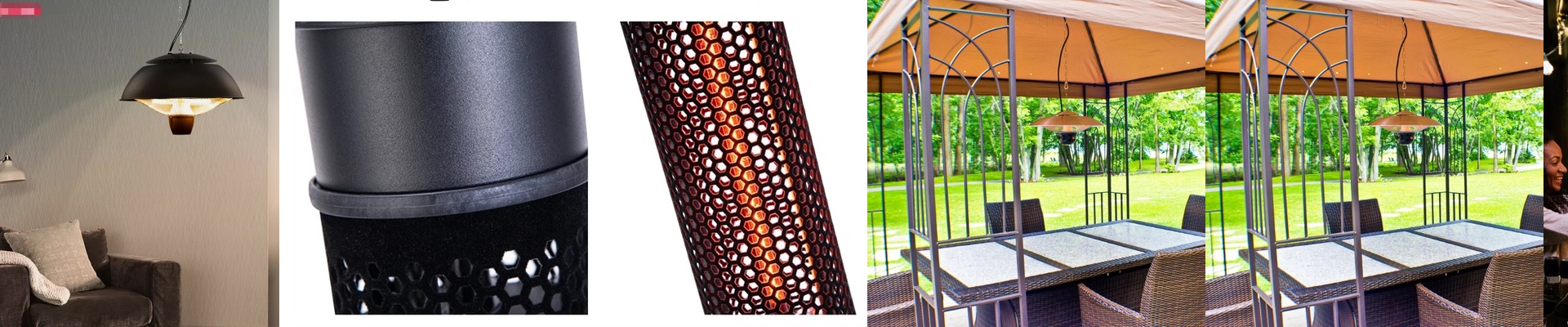
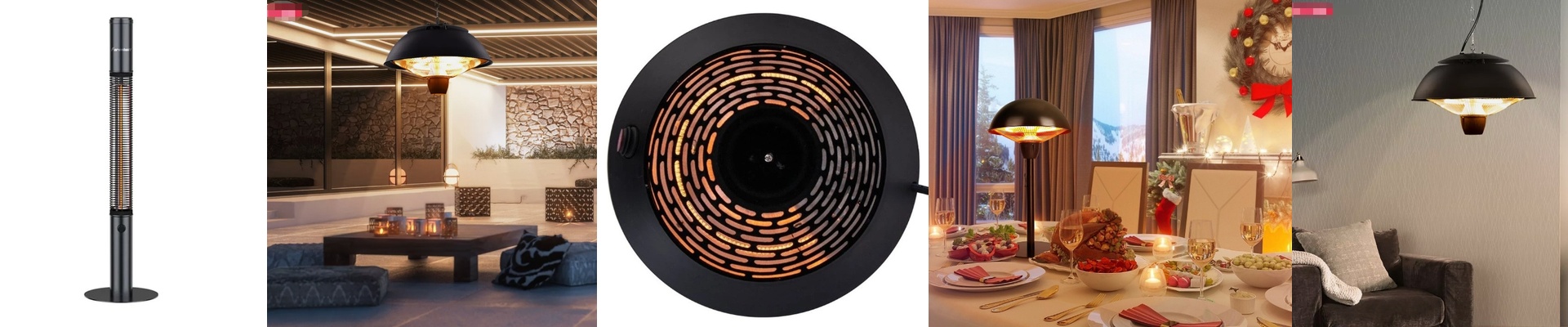
These aren’t your typical space heaters. You know how some heaters try to warm up the entire room’s air? These don’t do that. Instead, they use shortwave infrared technology—think of it like the sun. It hits your skin and your clothes directly. Inside the corrosion-resistant shell, we use quartz tubes or carbon fiber elements. The best part? It’s instant. You flip the switch, the element glows, and you feel the heat immediately. No waiting around for a room to “warm up” while you’re shivering.
Getting them into your smart home
If you want to control these with your phone or your voice, you have to ditch the old-school clicky switches. We usually put a Zigbee or 433MHz relay module right between the power source and the heater. It’s a pretty simple setup. You tell your app or your voice assistant to turn the heat on, the signal hits the gateway, and the relay snaps shut. Since the heat is instant, you feel that warmth the second the light kicks in. It’s a great feeling when you’re stepping outside on a chilly night.
A few things to watch out for
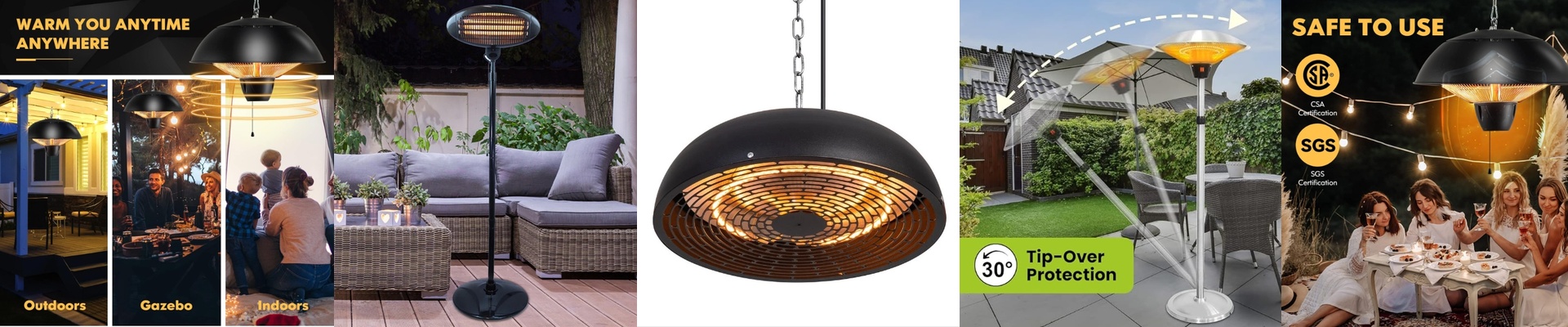
Here’s the catch: these heaters are power-hungry. If you try to cram too many of them onto one smart circuit, you’re probably going to trip your breaker—or worse, melt a cheap relay. You’ve got to make sure your wiring is thick enough and use high-amp contactors that can actually handle the load. My advice? Give these units their own dedicated circuit. Don’t daisy-chain them. And one last thing for safety: relays can occasionally fail in the “on” position. If that happens, your heater stays on indefinitely, which is a recipe for disaster in a tight spot. Always, always pair your smart setup with a physical thermal cutoff switch. Better safe than sorry.