


Stopping Ozone from Ruining Your Class 100 Cleanroom
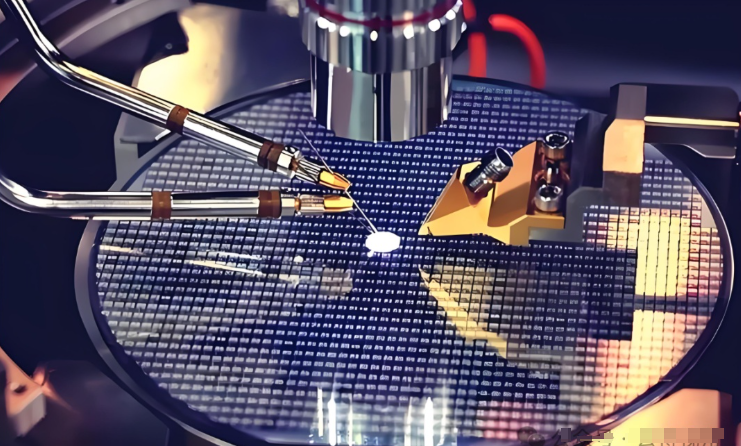
Ever had your ozone alarms go off for no apparent reason? It’s a nightmare. Most standard infrared lamps do something annoying: they trigger a chemical reaction in the air that creates ozone ($\text{O}_3$). In a Class 100 environment, that’s a disaster. Ozone eats away at sensitive polymers and messes with semiconductor doping. It’s basically an invisible contaminant that sneaks in and ruins your hard work. We figured out a way to stop that. By using high-purity synthetic quartz and filtering out specific wavelengths, we keep the heat but lose the ozone. The science is actually pretty simple. Ozone happens when short-wave UV radiation (anything below 240nm) hits oxygen molecules. To kill that reaction, we spec our lamps to live in the medium-to-long wave infrared spectrum. We use quartz tubes that act like a shield, blocking that vacuum-UV range entirely. You still get all the thermal energy you need for curing or drying, but without the photochemical mess left behind. It’s all in the materials. We use fused silica quartz with almost zero impurities. Why? Because of “outgassing.” When a cheap lamp hits operating temperature, it can actually release trapped gases. If you’re running a dust-free line, you can’t have particles flaking off your housing. To fix that, we fire-polish our quartz. It gets rid of those tiny surface micro-cracks, so everything stays clean. One heads-up on the design: these lamps have a tight footprint, so they’ll slide right into your existing chassis. They pack a lot of heat into a small space. Because of that, you’ve got to make sure your cooling fans are up to the task. If the airflow is too weak, you’ll overheat the lamp ends and fry the seals. Putting them to work. These are basically drop-in replacements for your standard IR heaters, whether you’re processing wafers or sterilizing medical gear. You still get that rapid ramp-up time you’re used to, but your ozone sensors stay quiet. We build these to survive the grind of 24/7 production. Just one thing: keep your voltage stable. Power spikes are the fastest way to kill a filament. Keep the power steady, and these things will just keep humming along.