

Introduction
Let’s get straight to it. We make heaters for semiconductor machinery—spare parts that slide right in, replacing the top-tier brands from the U.S. and Japan. The whole point? Give you the same rock-solid performance and reliability you’re used to, but without the premium price tag. This isn’t about cheaping out. It’s about building smarter, so your equipment gets exactly what it needs, spec for spec.
Technical Deep-Dive
In semiconductor tools, the heater has to be a workhorse—packing stable, high-density heat into a tiny space. We build our units to match the originals down to the last detail, right down to the power and voltage. That means you can swap it in and it just works. No rewiring. No mess. The geometry is everything. We hold length and diameter to such tight tolerances that the element sits in the exact same thermal path as the original. The payoff? Your process stays rock-steady. No drift. Just consistency.
Material & Design
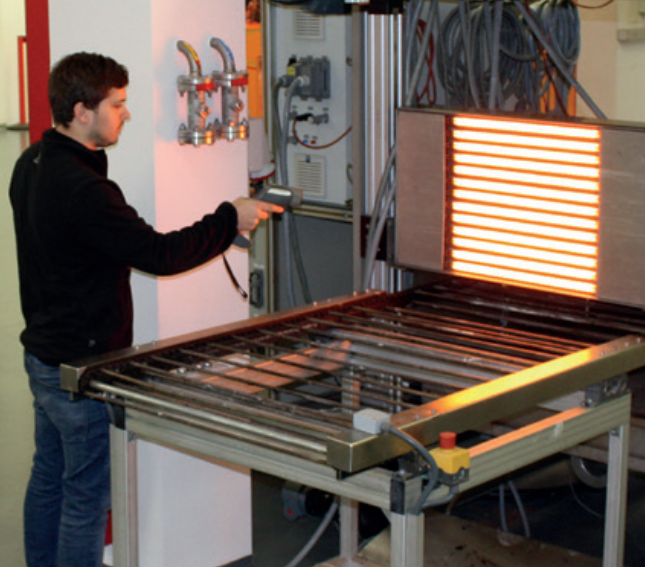
Inside, we use halogen technology housed in a quartz tube. Why? Because it gives you lightning-fast response and even heating across the board. That internal filament is protected by a halogen cycle that fights off blackening over time, which keeps the output stable. And the quartz body? It laughs in the face of thermal shock, handling the daily grind of heating up and cooling down without breaking a sweat. When it comes to the connections, we use the exact style your machine expects—whether it’s R7s, Sk15, or something else. It’s a true plug-and-play fit, no field modifications needed. The materials we choose handle high current without creating excess resistance, so you get a solid connection and fewer hot spots to worry about.
Application & Benefits
These heaters are built for the high-stakes world of semiconductor machinery, where downtime costs a fortune and every spare part has to perform on day one. The design gives you heat-up that’s predictable, temperature control that’s repeatable, and service intervals that last. But here’s the trade-off, and it’s an honest one: that high power density means your cooling and electrical systems have to be up to the task. If the system can’t shed the heat, the heater will run hotter and its lifespan will shrink. We’re meeting the same high standards as the big US and Japanese brands, but we’re doing it in a way that’s mindful of your maintenance budget.
Reality Check
High power density gives you the heat you need, but it also means the surrounding components have to pull their weight. Just make sure the cooling path is clear and the voltage supply is steady. When those two things are in place, you get a heater that’s reliable, spec-compliant, and just drops in, fires up, and runs without a hitch.