

Let’s Talk About Semiconductor Heater Wiring and Carbon Footprints
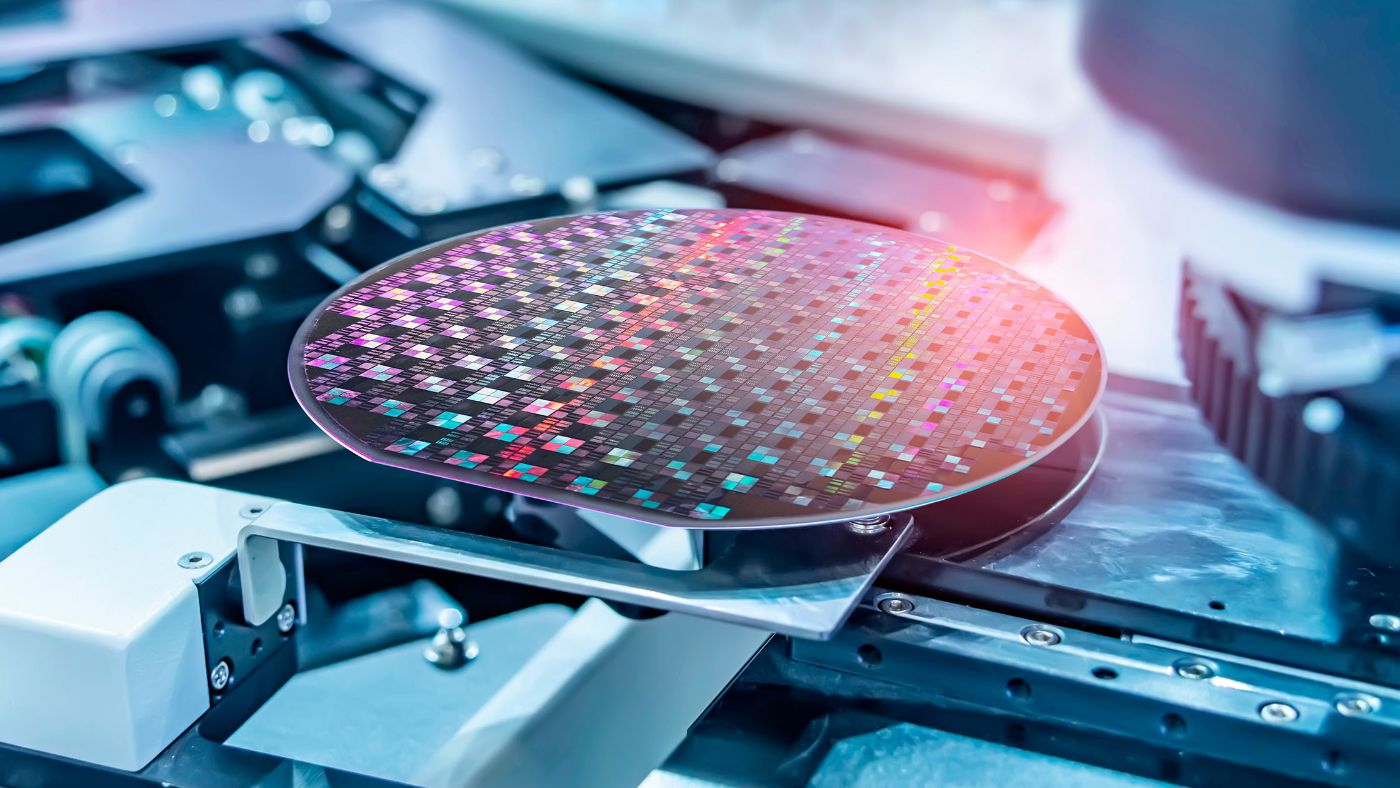
If we’re serious about cutting carbon in chip making, we have to look past the power source. It’s really about how we handle heat. Most of us use infrared (IR) heating because it hits the wafer directly. No waiting around for a whole oven to warm up, no wasted energy. It’s just faster. But here’s the catch: that kind of heat is brutal on your wiring. If your cables can’t take the stress, you’re looking at current leaks or, worse, a total meltdown. Why we stick with Teflon (PTFE) Standard PVC or silicone just doesn’t cut it here. It burns. Fast. That’s why I always go with Teflon-coated wire. It can sit in that 200°C to 260°C heat without breaking a sweat. When the insulation stays intact, you don’t get those annoying intermittent shorts that kill your uptime. Plus, it’s slippery. It slides through those tight cable carriers in the wafer tools without snagging or wearing down. Saving energy in the real world IR systems are great for the planet because they slash ramp-up times. You’re heating the target, not the entire room. But the wiring plays a part here too. When you use high-grade Teflon, your electrical resistance stays steady, even when things get scorching. If the wiring degrades, you get voltage drops. Then your power supplies have to work overtime to make up for it, which just sucks more power from the grid. It’s a ripple effect. The trade-offs (because nothing is perfect) Now, Teflon isn’t a magic wand. It’s stiffer than silicone. If your setup involves a lot of tight, repetitive bending, you can’t just wing it. You have to be really careful with the wire gauge and the jacket thickness, or the metal inside will just fatigue and snap. And here is a tip from the trenches: check your connectors. I see this all the time—someone spends a fortune on high-temp wire, but uses a cheap terminal block. The wire survives, but the connector melts. Then you’re right back where you started.