
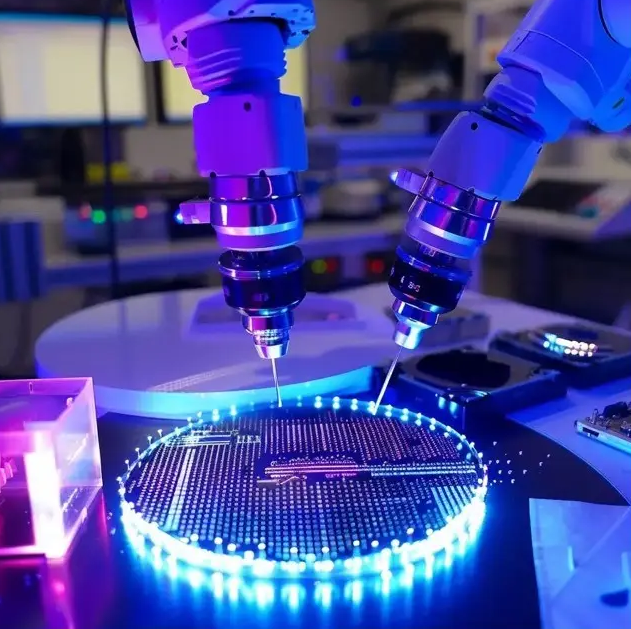
Drying MEMS Wafers: Why We’re Switching to Infrared
When you’re dealing with MEMS sensors, the stakes are high. You need every last drop of moisture gone, but if you’re too aggressive, those tiny, delicate micro-structures just snap. For a long time, we just blew hot air over everything. But honestly? It’s slow. We’re moving toward infrared (IR) heating because, frankly, nobody wants to waste half their day waiting for wafers to dry. The speed difference is wild. Think about hot air. You have to heat the air, push it around the chamber, and then wait for that heat to actually soak into the wafer. It’s a laggy process. IR is different. It’s radiation. The energy hits the wafer almost instantly. No waiting for the air to warm up, no lag. In a busy fab, that turns a drying cycle that used to take minutes into something that takes seconds. But you can’t just blast it. If you just crank the power, you’ll warp the edges or create thermal stress that ruins the batch. That’s why we’re picky about wavelengths. We use shortwave IR because it digs deeper and faster, which is exactly what you want for a quick dry. The real trick, though, is the control. We use PID controllers to handle how the heat ramps up. If you heat it too fast, you get the “pop”—that nightmare scenario where trapped moisture expands so violently it cracks the MEMS membranes. You want a smooth climb, not a spike. The catch (because there’s always a catch). IR is incredibly fast, but it’s “line-of-sight.” Hot air wraps around things; IR only hits what it can actually see. If your wafer carrier has a weird shape or deep pockets, you’re going to end up with cold spots. You have to get the lamp arrays and reflectors exactly right to make sure every millimeter of the wafer is covered. Plus, you’ve got to keep an eye on your cooling. When you hit a wafer with that much energy that quickly, it creates a massive heat spike. If your cooling system isn’t up to the task, your whole chamber temperature starts drifting, and then you’re chasing your tail trying to stabilize the environment.