
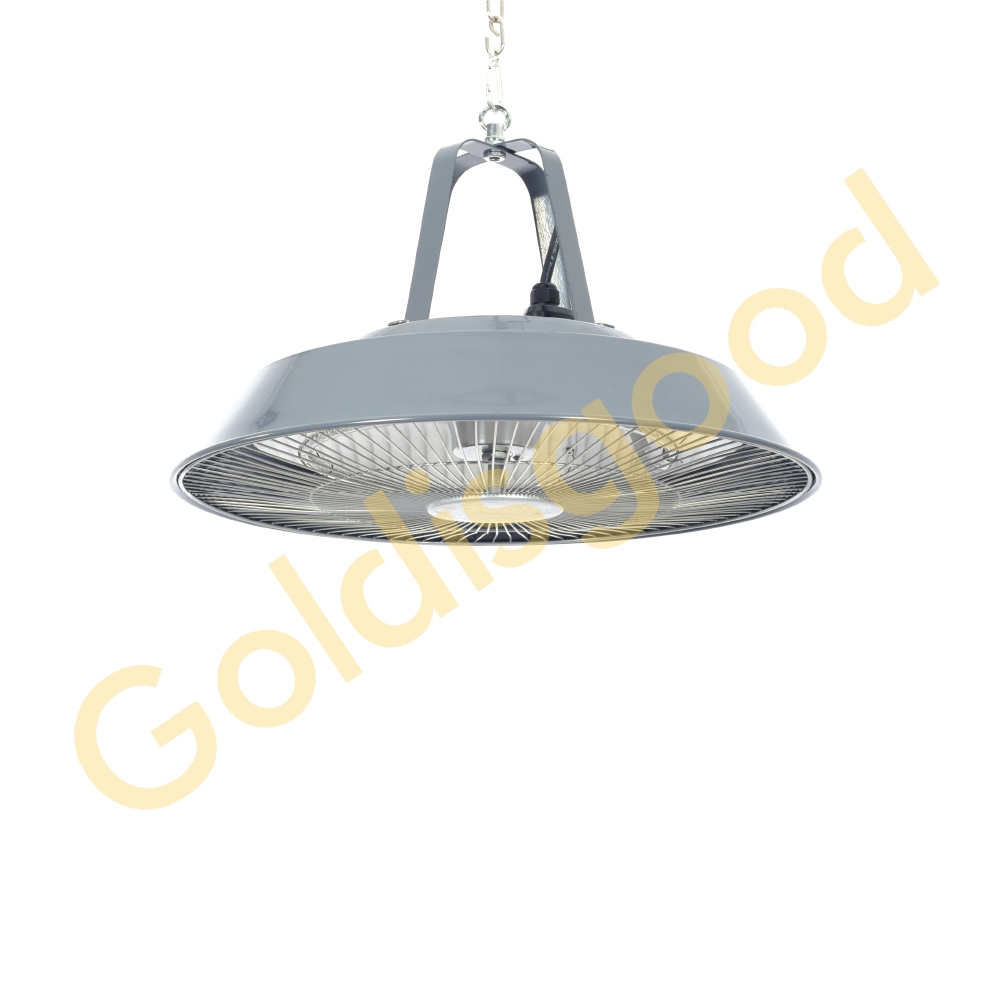
Why Your Bathroom Heater Needs Explosion-Proof Quartz
If you’ve ever put an infrared heater in a bathroom or out in the garden, you know the struggle. You’re fighting a constant battle against moisture and sudden temperature swings. Here is the problem: standard quartz tubes hate water. Imagine a tube running at 800°C. Now imagine a single, cold drop of water hitting that surface.Crack. In a wet room, that tiny crack isn’t just a nuisance. It’s a fast track to a short circuit or a total blowout.
The Secret to Glass That Doesn’t Shatter
That’s why we use explosion-proof quartz. It’s built to handle those violent temperature jumps without giving up. Think of it as the last line of defense. It keeps the high-voltage filament safe from the damp air around it. Without this specific glass, the moment a tube breaks, the heating element hits the moisture and—pop—you’ve got a burnout or a dangerous electrical arc on your hands.
Keeping Things Dry (And Warm)
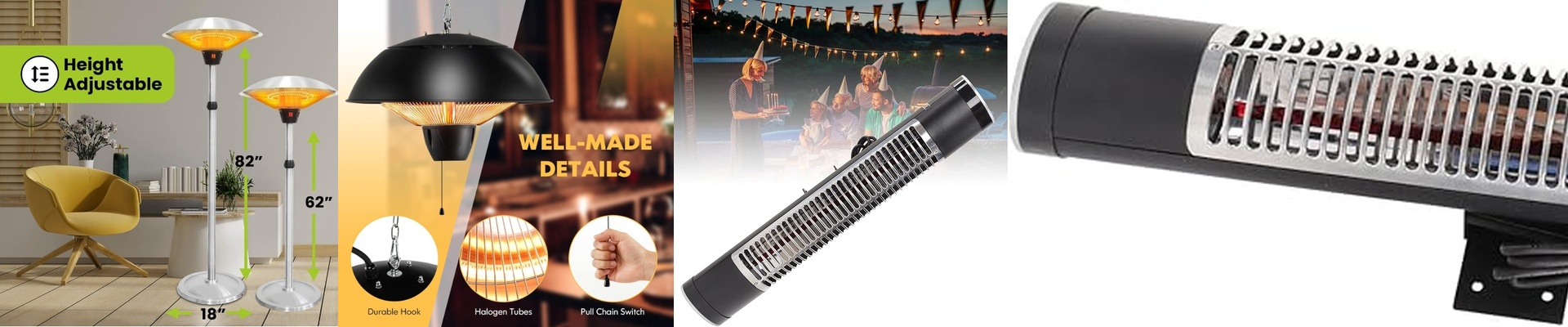
You’ll see “IP65” on the spec sheet, which basically means the housing can handle dust and splashes. But a rating is just a number if the seal around the lamp is sloppy. We make sure the tube sits firmly in place so there are no stress points that could lead to a break. As for the heat? It’s short-wave infrared. Instead of trying to warm up all the air in the room (which is a waste of energy), it beams the heat directly onto your skin. It’s instant. It’s cozy. And it’s really the only way to stay warm in a drafty garden or an open shower without burning through a mountain of electricity.
A Few Real-World Warnings
Now, a heads-up. These high-wattage lamps pull a lot of power. Please, don’t just plug these into some cheap extension cord. You need a dedicated circuit and a proper GFCI breaker to keep things safe. And while “explosion-proof” sounds like it’s invincible, it isn’t. If you hit it with a hammer, it’s still going to break. Just follow the mounting guides so you aren’t putting unnecessary pressure on the ends of the glass, and you’ll be golden.