
Keeping People Warm in Wet Zones (Without the Headache)
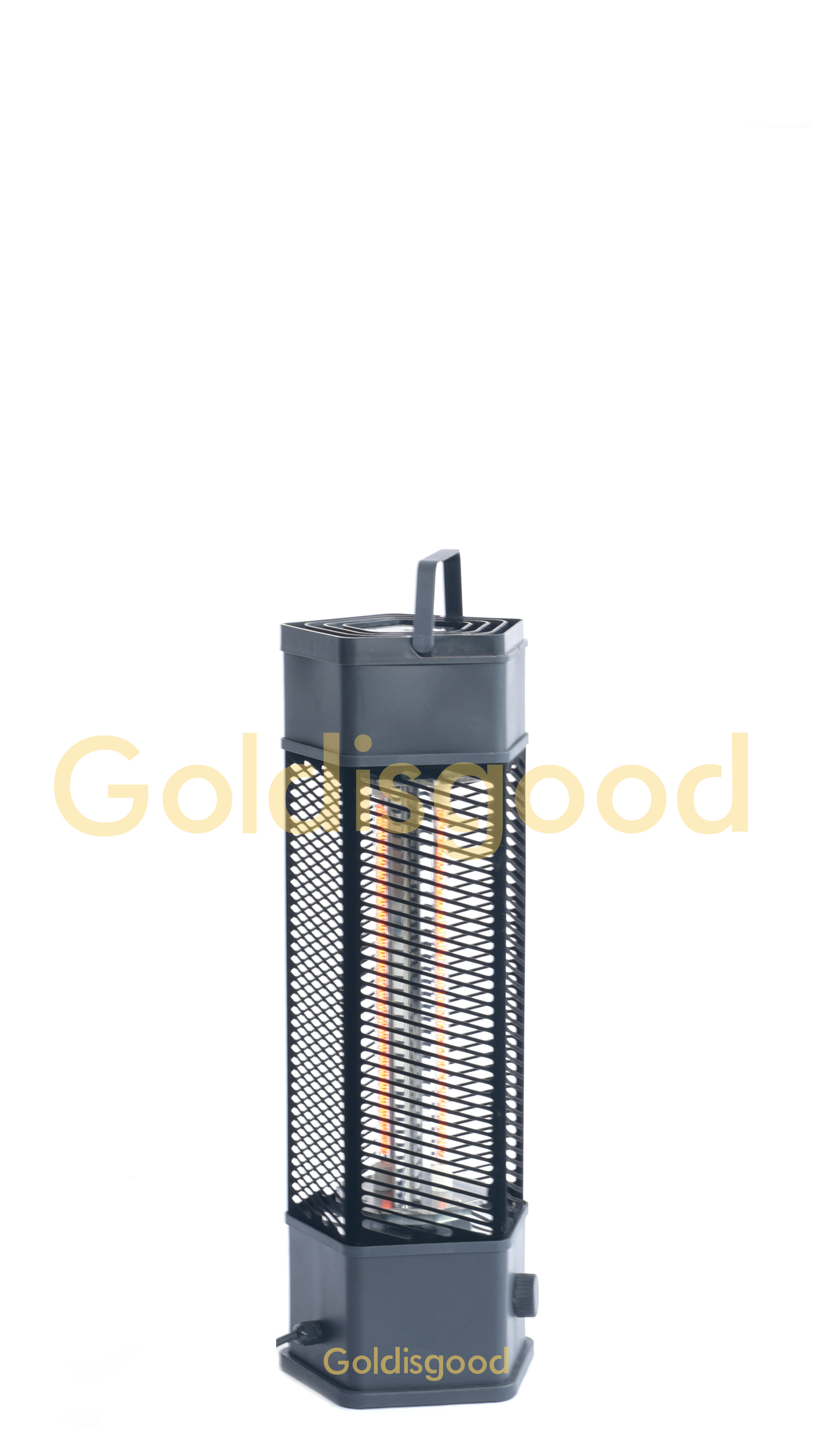
Let’s be honest: standard heaters are a nightmare in changing rooms or wet areas. Between the steam and the humidity, most elements just corrode or short out. It’s a mess. We handle this differently. Instead of trying to warm up the air—which just floats away the second a door opens—we use waterproof infrared heaters. Think of it like the sun. It doesn’t heat the air between you and the sky; it just hits your skin and clothes directly. You feel the warmth instantly. Why this actually works The magic here is in the short-wave infrared emitters. They don’t need a long “warm-up” period where you’re standing around shivering. They hit their peak temperature in seconds. If you’ve ever dealt with a drafty, open-concept locker room, you know that fighting the wind is a losing battle. This is the only way to actually beat it. You step into the beam, and you’re warm. Period. The nitty-gritty on the build Since these live in damp spots, we didn’t cut corners on the sealing. We use high-temp gaskets and IP-rated housings to keep the moisture out. We also went with quartz glass tubes. Why? Because they can take a massive temperature swing without cracking. We’ve calibrated the internal filaments specifically so the glass stays safe and doesn’t overheat. One heads-up, though:**check your electrical panel.**These arrays pull a lot of power when they kick in. If your wiring is too thin, you’re going to be tripping breakers all day. Setting them up These are designed to be simple drop-in replacements for your old radiant panels. They have a small footprint, so they stay out of the way on the ceiling. But there is a catch. Infrared is directional. If you just throw them up randomly, you’ll end up with “cold spots” where people are still freezing. The trick is to map out your floor plan first. You want the heat zones to overlap. That way, someone walking from the shower to the bench doesn’t hit a wall of cold air in between.