
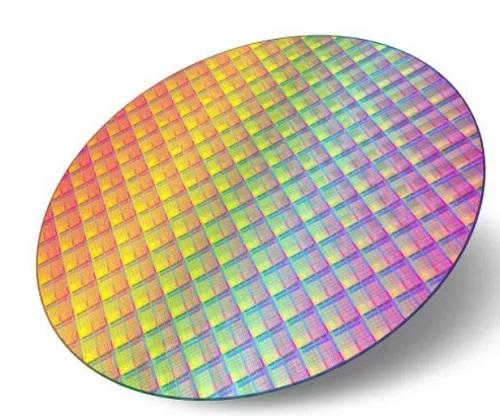
Getting More Heat Out of Your Wafer Rinse Lamps
If you’ve ever worked with waterproof IR lamps in a wafer rinse stage, you know the struggle. You’re not just trying to heat a surface—you’re basically fighting a war against the rinse liquid that’s trying to cool everything down. The real problem? Energy bleed. Too much heat ends up soaking into the machine chassis instead of hitting the wafer. That’s why we lean on gold-coated reflectors. Why gold? Think of a standard aluminum reflector as a leaky bucket. It absorbs way too much infrared radiation. Gold is different. It acts like a high-end mirror for heat. Instead of the lamp throwing energy in every direction, the gold layer pushes those photons straight ahead. It forces the beam right onto the wafer. It’s a simple shift, but it means almost every watt you pay for actually does its job. The catch with waterproof setups These lamps are toughened up to survive wet environments. The seals are there so rinse chemicals don’t eat your electrodes or blow a fuse. But here’s the thing: when you concentrate that much energy into a tight beam, things get hot. Fast. You’ve got to make sure your cooling manifold can actually handle the load. If the housing can’t get rid of the leftover heat, the metal expands. And once it shifts, your focal point moves, and suddenly your heating isn’t where it needs to be. A few things to watch out for Gold makes the heat flux way more efficient, but it’s a bit finicky. It hates grime. Even a tiny layer of chemical residue or dust on that gold surface will kill your reflectivity. You’ll notice the wafer temperature dip almost immediately. The fix is simple: keep a strict cleaning schedule. Don’t let the dust build up. One last tip if you’re swapping these into an old line: double-check your power supply. Because the energy density is so much higher, your voltage regulation needs to be spot on. If it’s jumpy, you’re going to burn through your filaments a lot faster than you’d like.