
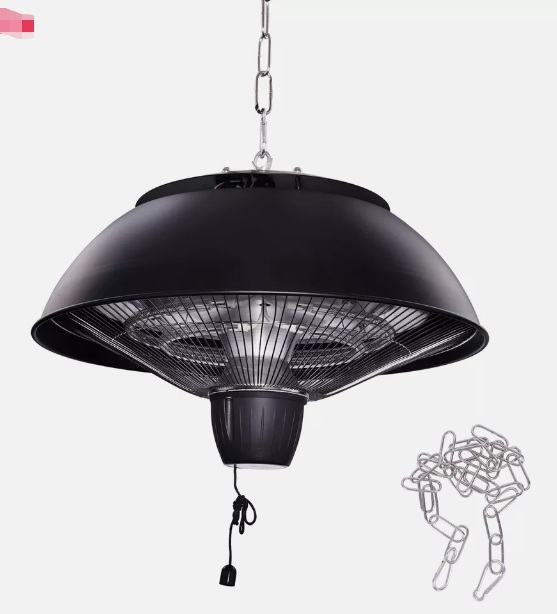
Don’t Roast Your Ceiling: A Quick Guide to Infrared Heater Clearance
When you’re putting infrared heaters in a busy spot—like a changing room—it’s tempting to just slap the unit on a bracket and call it a day. But there’s a catch. You have to think about where that heat actually goes. See, infrared is different. It doesn’t just warm up the air; it beams heat directly onto whatever it’s pointing at. The problem? The heater casing itself gets scorching hot.
The “Heat Trap” Problem
We all know heat rises. If you mount a radiant heater too close to the ceiling, you’re basically creating a heat trap. All that warmth pools at the top, and suddenly your ceiling material is taking a beating. If the gap is too tight, you’re looking at scorched paint, warped drywall, or—worst case—triggering your fire sprinklers when there isn’t even a fire. Not a great look. **Give it some room.**We usually suggest 18 to 36 inches of clearance. If you’re using a high-output unit, it’s pumping out a lot more energy, so it needs even more space to breathe.
When Things Get Too Hot
Here’s the thing: when the gap is too small, you get something called “thermal feedback.” Basically, the heat bounces off the ceiling and pushes right back into the heater. This forces the internal parts to run way hotter than they were ever meant to. We’ve seen this kill filaments early or even melt wiring. It’s a fast track to a broken heater.
Finding the Sweet Spot
You probably want the heater as high as possible to cover more ground. That makes sense. But if you push it too close to the ceiling just to save space, you’re actually killing your efficiency. The air just sits there. Then, the onboard thermostat thinks the whole room is toasty because it’s surrounded by trapped heat, so it clicks off. Meanwhile, the people standing on the floor are still shivering. **My advice?**Give it a dedicated circuit and leave that gap. If your ceilings are low, don’t try to force one big, powerful heater in there. Instead, use a few lower-wattage units spread across the room. It keeps the heat manageable and everyone stays warm.