
Keeping Your Class 100 Fab Actually Clean
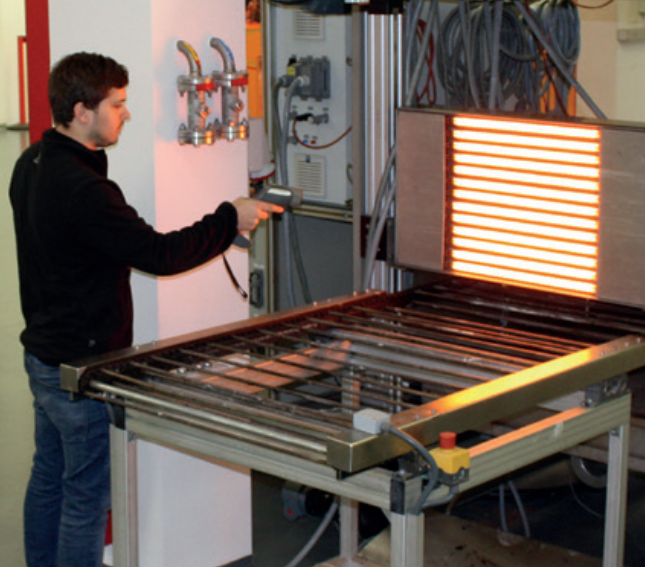
If you’re running a Class 100 environment, you already know the nightmare: one tiny speck of dust, one flake of metal, and your entire wafer yield goes down the drain. It’s stressful. Most heating elements are a liability because they outgas or shed particles right when they get hot. That’s why we stick with high-purity fused quartz for our IR lamps. Why quartz actually works Here’s the thing about synthetic fused quartz—it just doesn’t quit. While cheap glass or metal heaters start breaking down under extreme heat, quartz stays stable. It doesn’t flake. It doesn’t shed. It’s also chemically inert. It won’t react with the air or your substrates, so you don’t have to worry about random metallic contamination sneaking into your process. It just does its job and stays out of the way. Getting the heat right We use short-wave radiation. The goal is to get the heat exactly where it needs to go—into the target—without heating up the air around it. This is a huge win for your HVAC system, which doesn’t have to work overtime to keep the room cool. You can pick the wattage and length you need to hit your specific heat density. They ramp up fast. Really fast. But a word of caution: high wattage means intense heat. If you push it too hard without balanced cooling airflow, you risk thermal shock. Also, double-check your mounting brackets. If they aren’t made from non-outgassing materials, you’re just inviting contamination back into the room. The easy part: Installation We use precision-fit connectors to keep the electrical seal tight. This stops arcing and keeps ozone from messing with your atmosphere. The best part? These are simple drop-in replacements. When a lamp finally burns out, the quartz stays intact. No shards, no dust, no cleanup crew. You just swap it out and get back to work.